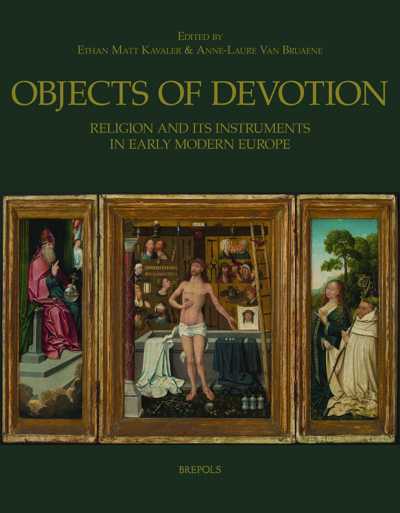
Objects of Devotion
View publication
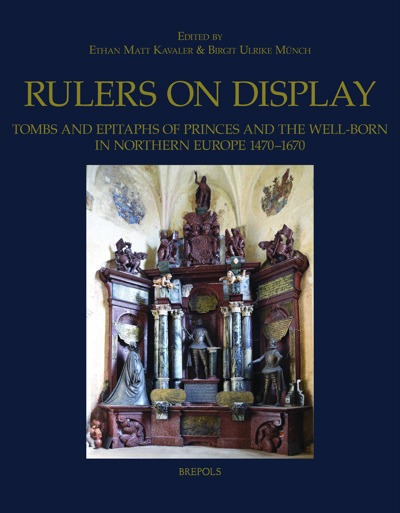
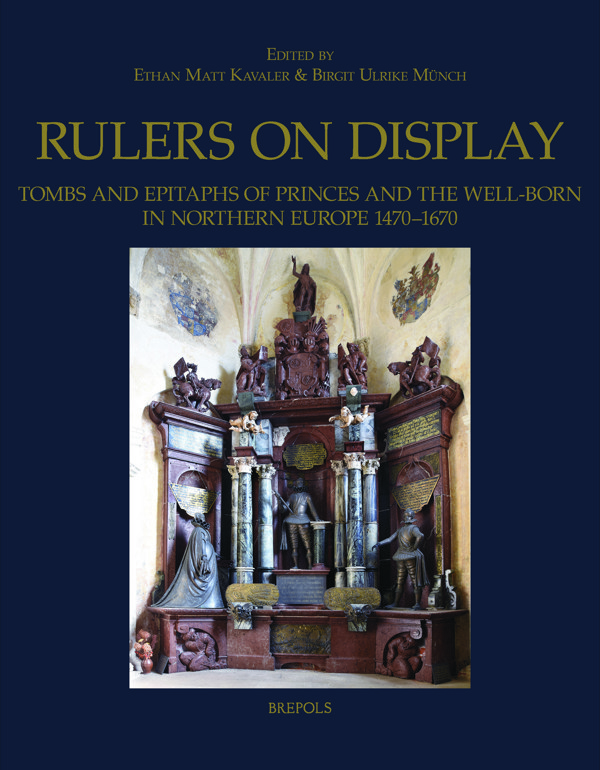
During the sixteenth and seventeenth century princes and the high nobility found tomb sculpture an effective means of refashioning their identity and promoting their interests in a rapidly changing society.
Ethan Matt Kavaler is Professor of Art History at the University of Toronto and Director of the Centre for Reformation and Renaissance Studies.
During the sixteenth and seventeenth century princes and the high nobility found tomb sculpture an effective means of refashioning their identity and promoting their interests in a rapidly changing society. Enormous funds were spent on these monuments, either by the occupants of by their heirs, for whom the sepulchers became a generalized marker of family status. Epitaphs were also fashioned of words, penned in ink and published as well as engraved in stone. Poetical tributes and eulogies to rulers gave them another type of public persona. This venue was particularly important as the role of the nobility changed in Europe from a primarily military class serving their liege lord in battle to a group charged with the administration of territories within a royal or imperial realm. Traditional coats of arms were still featured. And military achievements might be represented in astonishingly ‘realistic’ detail. Yet intellectual learning and an awareness of cultural and aesthetic trends in the wider European sphere also became important elements of these monuments.
These papers will explore the ways tombs and epitaphs helped establish a viable image for leading families and facilitated participation in important networks. We will discuss the ways in which these works took part in the debates fostered by the Reformation and the Catholic response. We will examine how adherence to different religions was reflected and often advocated in tomb sculpture and written memorials.
Tombs of Europe’s Elite: An Introduction
Ethan Matt Kavaler
Part 1: Transcendence & Theatre
Gerhard Gröninger, the Theatrics of Faith, and the Renewal of Noble Identity in St Paulus Cathedral in Münster
Jeffrey Chipps Smith
Ritual Participation in Netherlandish Priant Tombs c. 1520–1585: From Devotional Self-Fashioning to Community Exhortation
Ruben Suykerbuyk
Grasping Eternity: The Cadaver Tomb of René de Châlon (1547)
Birgit Ulrike Münch
Imagined Clerical Communities: Black Marble Tombs in the Prince-Bishopric of Liège
Elizabeth Rice Mattison
Revising the Sleeping Sarmatians: The Reclining Effigy in the Renaissance Tomb Sculpture of the Polish-Lithuanian Commonwealth in its European Context
Aleksandra Lipińska
Part 2: Empire & Republic
Between Monarchy and Republic: The Tomb of William the Silent
Ethan Matt Kavaler
The Death of the Funerary Monument in the Dutch Republic
Marisa Anne Bass
Waking the Dead: The Recovery of Princely Tombs as a Dynastic Obligation in the Habsburg Low Countries
Steven Thiry
Tomb Sculpture and Transformations of the Republican Ideal in Poland-Lithuania at the Time of the Early Elective Monarchy (1574–1648)
Franciszek Skibiński
Part 3: Media Varia: Stained Glass, Costume & Textual Remembrance
Stained Glass as a Commemorative Tool in the Southern Low Countries
Isabelle Lecocq
A-Dressing the Dead: The Role of Aristocratic Dress on Tomb Effigies in Fashioning Sixteenth- and Seventeenth-Century English Family Histories
Catherine Howey Stearn
Real and Imagined Communities in Justus Rycquius’s Parcae
Marc Laureys
‘His Epitaph Written in Hell’: Cromwell, the Puritan Epitaph, and the Politics of Religious Polemics
Joanna Miles
Part 4: Programmes & Pantheons
Remembering the Old and New Dukes of Brabant: The Funeral Monument of Ernest of Austria in Saints Michael and Gudula, Brussels
Ivo Raband
‘S’è portato bene’: François Anguier and the Invention of the Monument in the Parisian Chapelle d’Orléans
Wiebke Windorf
The Funeral Monument of Edo Wiemken in Jever
Barbara Uppenkamp