Les identités urbaines au Moyen Âge. Regards sur les villes du Midi français
View publication
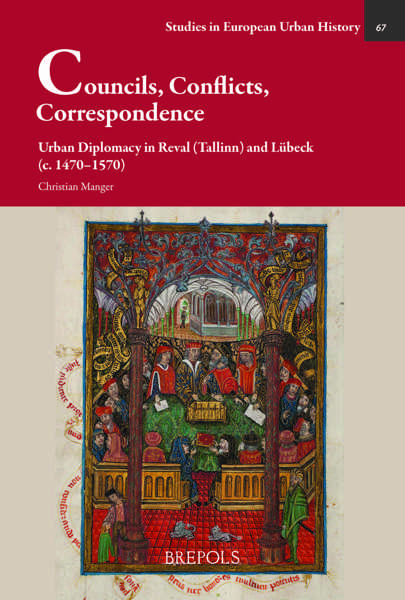
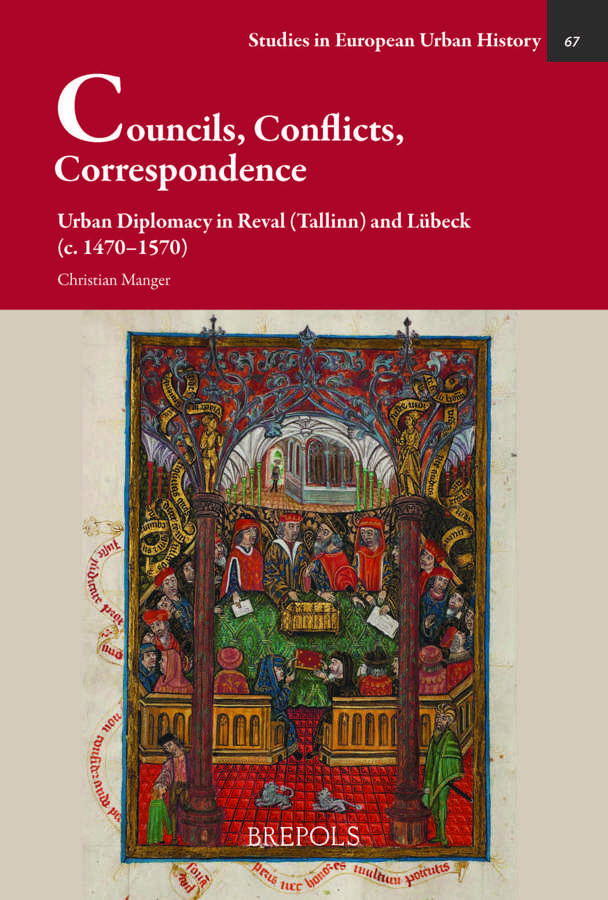
Examining the diplomatic activities of Hanseatic city councils in the fifteenth and sixteenth century, this book elucidates how municipal governments applied their notions of urban political thought and practice to the management of conflicts which ranged beyond the city’s formal boundaries.
Christian Manger received his PhD-degree from the University of Amsterdam in October 2023. Currently, he works as a postdoctoral researcher in the department of Public Law and Governance at Tilburg University where he studies the role of professionals in late medieval towns. He specializes in the political and legal history of late medieval cities and urban institutions, with a particular interest in conflict management and urban diplomacy.
In the fifteenth and sixteenth centuries, the city councils of Hanseatic towns participated lively in the Northern European landscape of diplomacy. Often, it was conflict which lay behind the magistrates' diplomatic activities. Discord among the members of the Hanse, intercity disputes between individual burghers, and large-scale “international” altercations, all required town councils to engage with actors and institutions beyond the town walls.
'Councils, conflicts, correspondence' examines how the magistrates of the Hanseatic towns Lübeck and Reval managed such conflicts which often exceeded the formal limits of their own jurisdiction and authority. Through a comparative study of two towns with markedly different access to political power and networks, this book analyses the scope of diplomatic action available to city councils. By placing the diplomacy of municipal governments in the broader frame of European urban political thought and practice, it shows how magistrates combined a flexible conception of the common good with a pragmatic notion of reciprocity to balance their relations to their own citizenry and overlords, as well as to the Hanse and foreign rulers. Furthermore, this book zooms in on practices of diplomacy and processes of negotiation, uncovering the variety of strategies and tactics employed by the councils and their diplomats in written correspondence as well as face-to-face meetings at regional and Hanseatic diets.