Les saints et leur culte en Europe centrale au Moyen Âge
View publication
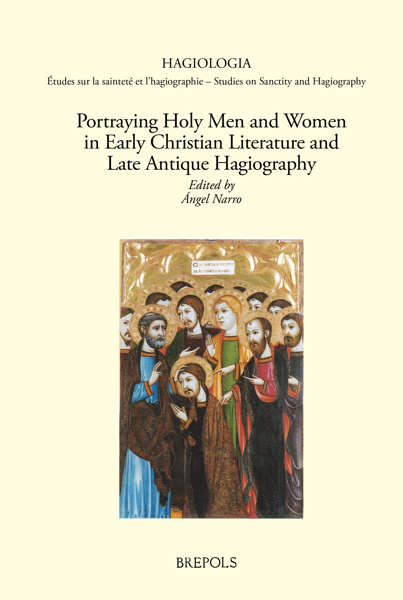
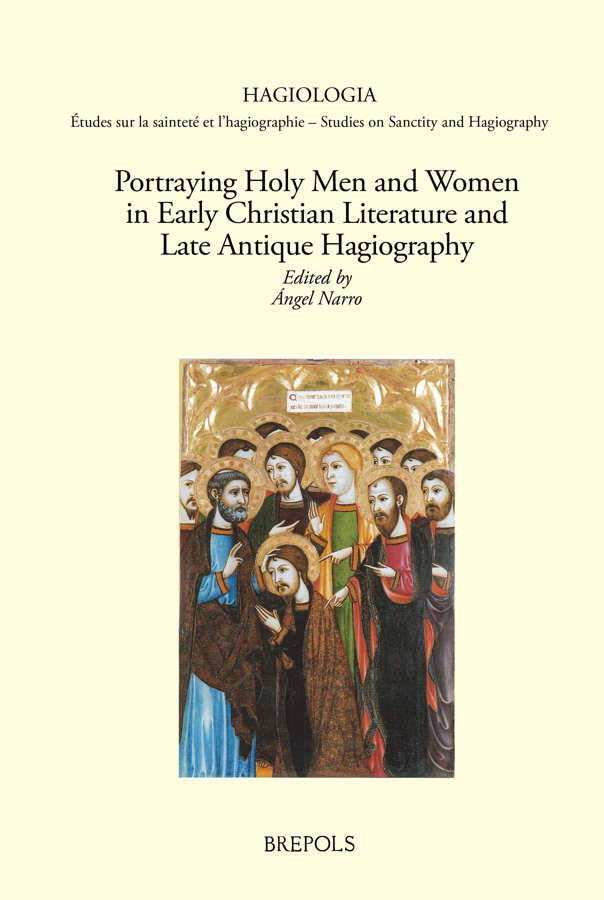
This book explores the literary connections between the apocryphal Acts of the Apostles and saints lives from a multidisciplinary perspective.
Angel Narro is Associate Professor of Greek Philology at the University of Valncia. His research interests include apocryphal literature and late antique and Byzantine hagiography.
In the early Christian era, the apocryphal Acts of the Apostles were composed to quench the thirst for knowledge of the first communities of believers interested in the Apostolic missions. Centuries later, comparable narrative impulses shaped the accounts of martyrs, monks, virgins, and other ascetic figures who embodied new models of holiness in changing historical contexts. The apocryphal Acts drew creatively on biblical paradigms, while subsequent martyr acts and saints lives reworked and reinterpreted Apostolic narrative patterns, motifs, and scenes. Rather than tracing a simple line of in uence, this volume explores the dynamic literary processes through which early Christian and late antique hagiography constructed sanctity, negotiated authority, and reshaped inherited traditions across diverse linguistic and cultural settings.
Across a rich spectrum of Greek, Latin, Slavic, and Syriac traditions, this volume uncovers how late antique and medieval authors reshaped narratives of Apostles, saints, martyrs, and holy figures to explore identity, conversion, gender, and devotion. From apocryphal Acts and hagiographic legends to novelistic motifs and political-theological reworkings, the chapters reveal a vibrant literary world where chastity, miracle, martyrdom, and moral transformation are continually reimagined. Together, these studies illuminate how diverse cultures adapted shared narrative patterns to address evolving spiritual ideals, communal memory, and the shaping of Christian literary imagination.
Angel Narro, Introduction
Angel Narro, Echoes of classical literature in the profile of Thomas the apostle in the Acts of Thomas
Matilde Casas Olea, On How Andrew the Apostle Arrived in Rus: The Acts of Andrew in Byzantine-Slavic Tradition
Michael Muthreich, How was Dionysius Areopagita converted to Christianity?
Sergi Grau - Roser Homar, Female Chastity and Conversion Imposed by the Divine between Pagans and Christians: Evolutions of a Literary Pattern
Carl Johan Berglund, Imitatio Theclae in Gregory of Nyssas Life of Macrina
Luis Pomer, Las mrtires femeninas en los relatos martiriales latinos
Hector R. Francisco, Female Models in the Acts of the Persian Martyrs
Alvaro Ibanez Chacon, Topicos apocrifos y hagiograficos en la pasion epica de Procopio (BHG 1577)
Julie Van Pelt, Cyprian of Antioch Between Saint and Magos: the Conversion (BHG 452) and the Confession (BHG 453)
Carmen Sanchez-Manas, El misterio del eunuco que pudo reinar: Anastasia / Anastasio, de Constantinopla a Escete