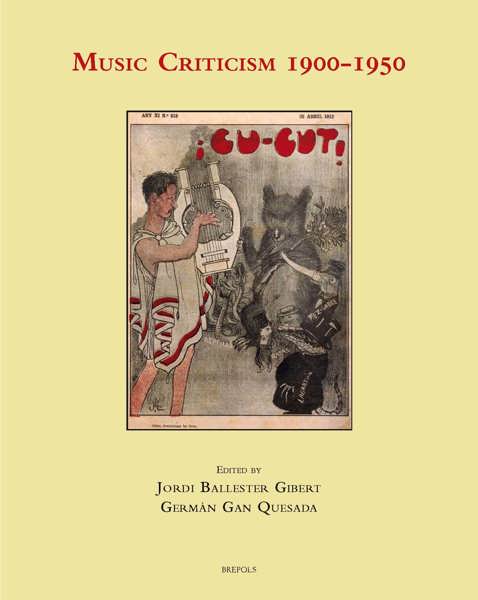
Music Criticism 1900-1950
View publication
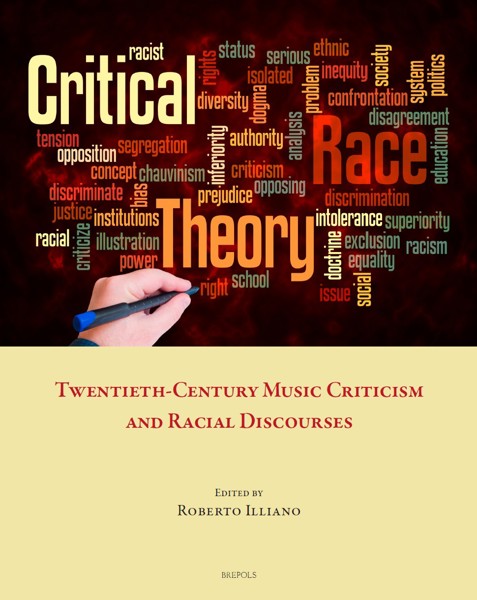
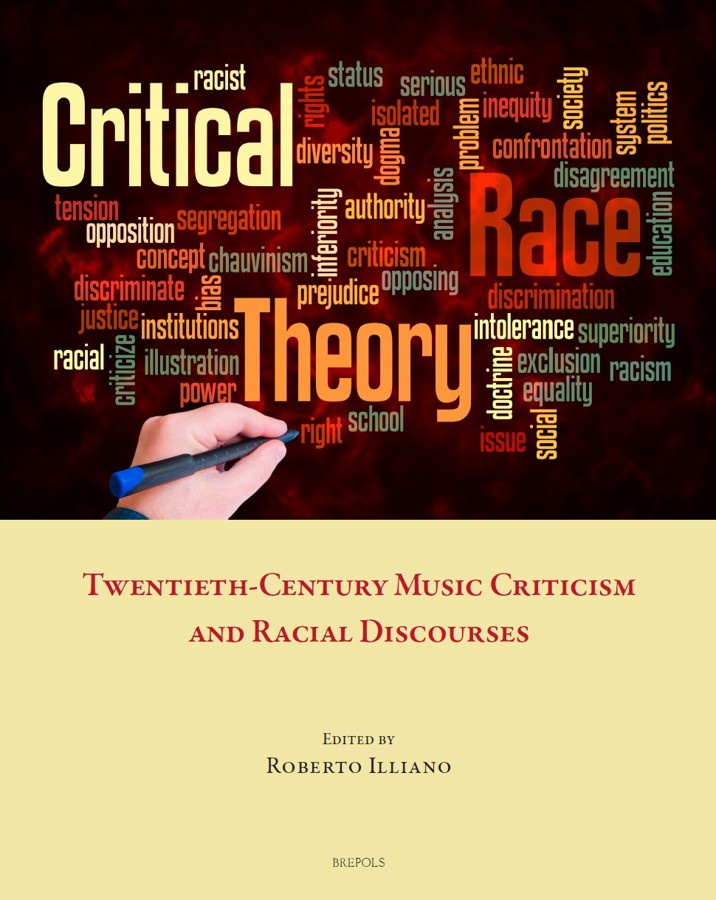
This book examines racial discourse in the press of the 20th century, militant musicology and the views of composers
Roberto Illiano is General Secretary of the Centro Studi Opera omnia Luigi Boccherini and President of the Italian National Edition of Muzio Clementi’s Complete Works. He is General Editor of the series ‘Speculum Musicae’ and ‘Staging and Dramaturgy: Opera and the Performing Arts’ (Brepols Publishers), and has published a variety of writing (edited volumes, articles, editions, and dictionaries entries) on 19th- and 20th-century music, in particular on Luigi Dallapiccola and Italian music under Italian fascism.
In recent decades, the relationship between music and criticism has been a key topic of debate in international musicology. Building on this research, this volume explores the complex discourse on race in 20th-century music criticism. During this period, racism manifested itself in two primary forms: colonial-imperialist and anti-Semitic. However, it also impacted individuals who experienced racial repression beyond these two categories. Examples include the internment of Roma during the Second World War, anti-Slavic propaganda campaigns, and the repression of homosexuals. With a particular focus on the relationship between music and politics, this book examines racial discourse in the press of the time, militant musicology and the views of composers, as well as exploring the subject through the lens of theatre critics, travel writers, scientists and orientalists. The chapters explore this topic in Europe, Latin America, Africa and the Middle East. An afterword by James Garratt discusses the issues raised and explores some of the problematic concepts and approaches in the field of racial discourse and theory.
Roberto Illiano, Preface
Race, Nation and Music Criticism in Europe
Pamela M. Potter, Fears of Cosmopolitanism: Music Critics and the Berlin Metropolis
Sanna Iitti, Race and Germanness in Heinrich Schenker’s Thought on Music
Annalisa Capristo, «Music in the Tradition of our Race»: Ennio Porrino from Fascism to the Aftermath of World War II
Iván Iglesias, Music in the Press and Sonic Racialisations in Civil War Spain: The «Fiesta de la Raza» (1936-1939)
Race, Popular Music and the Construction of the ‘Other’
Belén Pérez Castillo, Time for Singing: The Protean Voice of Josephine Baker
Vera Wolkowicz, European Superiority vs Latin American Mediocrity: Rodolfo Barbacci’s Music Criticisms in Argentina and Peru, 1936-1941
Ivana Vesić, Popular Theatre and Modern Dances as a Dangerous Other: Tracing Racialist Discourse in the Yugoslav Public Sphere of the 1920s and Early 1930s
Michał Jaczyński, Perceptions of Warsaw Music Critics in the 1920s Regarding Jewish Music and Musicians
Anna G. Piotrowska, In the Public Eye: Shifting Perspectives on Romani Musicians and Romani Music-Making in 20th-Century Polish Media Discourse
Colonialism, Post-Colonialism and Transnational Musical Imaginaries
Louisa Martin-Chevalier, Decolonising Roslavets? Revisiting Biography, Reception, and Musicological Narrative from the Soviet to the Post-Soviet Era
Rūta Stanevičiūtė, Musical Imagination and Post-Colonial Gaze: Seeking Inspiration for National Identity in Overseas Cultures
Michael Christoforidis, Issues of Race in Percy Grainger’s World Music Survey Lectures, and in Their Australian Reception in the Early 1930s
Hicham Chami, Music from the Margins: Colonialist Rhetoric and its Enduring Impact on Jebli Music Culture
Raffaella Bianchi, Racialisation and the Armenian Soundscape in Turkiye: Hungry Listening and Restoration of the Ear
Conclusion
James Garratt, Afterword. Beyond Critique: Racial Discourses and Music-Historical Methodologies
Abstracts and Biographies
Index of Names