Between Centres and Peripheries
View publication
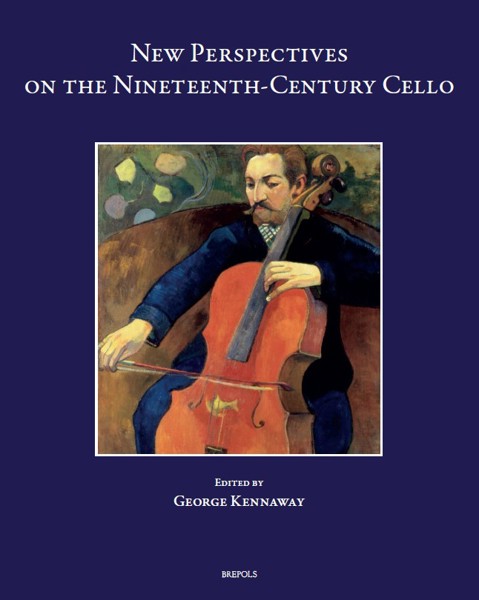
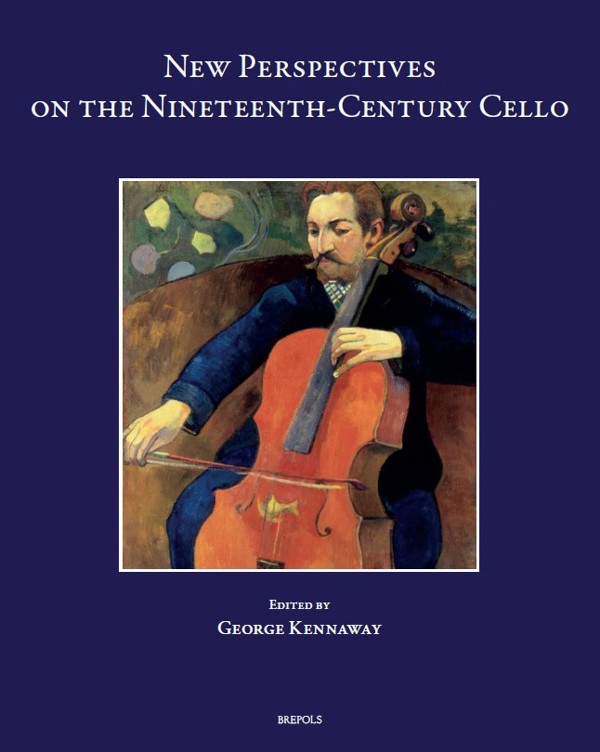
This book offers a rich variety of approaches to the nineteenth-century cello and cellists, combining archival research, source studies, early recordings, and art history.
Dr George Kennaway is a Scottish cellist and musicologist. Co-principal cello in the Orchestra of Opera North 1980-2008, he has taught at the universities of Leeds, Huddersfield, Newcastle, and Hull, and has given classes in France, Helsinki, and Vilnius. His publications include Playing the Cello 1780-1930, John Gunn: Musician Scholar in Enlightenment Britain, and articles and book chapters on aspects of 19th-century performance research and analysis. He is currently editing J.J.F. Dotzauer’s cello studies for Bärenreiter.
This book offers a rich variety of approaches to the nineteenth-century cello and cellists. Its range of topic and methodology reflects the new phase in historical performance research. Research in instrumental treatises and accounts of musical performances is broadened by researchers and performers who explore different cultural perspectives on the cello. This book contains the first sustained studies of cello sonatas by Emilie Meyer, Leokadia Kashperova, Mel Bonis, and Henriette Bosmans, and of Joachim Raff’s concertos. Alfredo Piatti’s Bach performances are shown to have predated Casals birth by several decades. Old and new approaches to teaching and research are explored in a study of the chamber music in the Paris Conservatoire’s cello method, the proposal of an imaginative process of ‘holistic emulation’ that can enrich historical performance, and a study of Victor Herbert that explores analytical methods in performance research. Performance techniques are analysed in Duport’s influence on Beethoven, Popper’s use of portamento, and an innovative historical examination of what might constitute romantic cello sound. Piatti reappears as a virtuoso in Bergamo, along with one of the greatest nineteenth-century virtuosi, François Servais, the Šťastný brothers, and Casals. This book combines archival research, source studies, early recordings, and art history. The contributors are a diverse community of scholars of the first rank, with international reputations for research and performance.
Repertoire Old and New
Natasha Farny, Romantic Archetypes in Cello Sonatas by Three Female Composers
Simon Kannenberg, The Missing Link – Joachim Raff’s Cello Concertos
Seonhwa Lee, Understanding Emilie Mayer (1812-1883) and Her Cello Sonatas
Job Ter Haar, «A Highly Interesting and Rarely Heard Violoncello Solo by Bach»: Alfredo Piatti’s Rediscoveries of the Old Masters
Teaching and Learning
Maximiliano Segura Sánchez, «Recueil de Passages de Haydn et Boccherini & c.»: Chamber Music Reception in the First Cello Method for Paris Conservatoire
Hilary Metzger, The Performance Preferences of Victor Herbert: A Case Study in Comparative Techniques of HIP Analysis
Victor García García, Becoming a 19th-Century Cellist through the Embodiment of their Holistic Musicianship
Techniques
Amanda Melo Massa – Felipe Avellar de Aquino, Knocking at the Doors of the New Century: The Collaboration of Duport and Beethoven Towards the Development of the Cello Writing and its Legacy Way Beyond the 19th Century
Aldo Mata, Popper’s Expressive Fingerings: The Lost Art of Portamento
Kate Bennett Wadsworth, A Fresh Look at Romantic Cello Sound
Virtuosi
Livia Laifrova, Unveiling Bernard and Jan Šťastný: The Contribution of the Two Czech Brothers to the European History of the Cello in the Early Nineteenth Century
Peter François, François Servais, the Paganini of the Cello, and the Belgian School of Cello Playing
Maurizio Merisio, Alfredo Piatti and the Unione Filarmonica of Bergamo: Originality, Performances for Cello, the ‘Permanent’ Orchestra
George Kennaway, Casals, Art, Ornament: Perspectives on Performing Styles