Barbarians and Jews
View publication
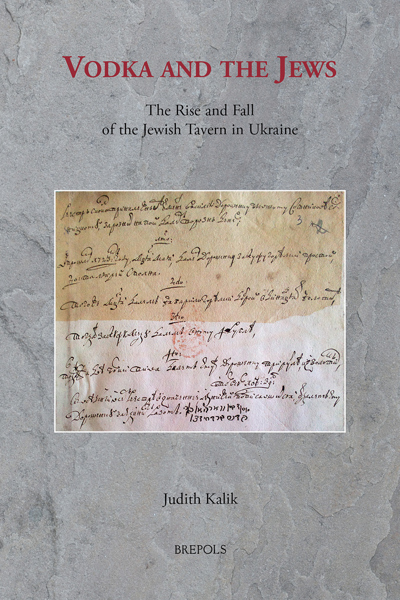
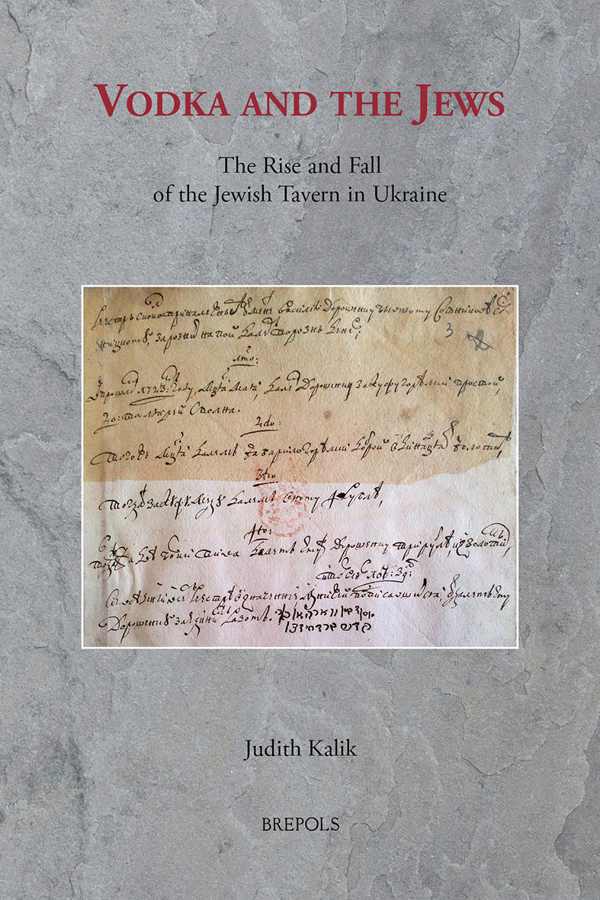
Explores the economic and social factors behind the dominance of vodka production in Ukraine and the distinctive role played by Jewish communities within this key sector of the economy.
Judith Kalik's field of research is the history of Eastern Europe with an emphasis on the Jewish history. She has authored four books: The Polish Nobility and the Jews in the Dietine Legislation of the Polish-Lithuanian Commonwealth (1997); Scepter of Judah: Jewish Autonomy in the Eighteenth-Century Crown Poland (2009); Movable Inn: The Rural Jewish Population of Minsk Guberniya in 1793-1914 (2018); (with Alexander Uchitel) Slavic Gods and Heroes (2018).
Vodka played a central role in the Ukrainian economy during the early modern period, and Jews dominated its production and sale. Based on an examination of numerous published sources scattered through various collections, and of new unpublished archival documents from Kyiv and Lviv, this book examines the economic and social causes of this dominance, and its impact on both Jewish and Ukrainian society. It discusses the distinctive features of the Jewish role in this important sector of the Ukrainian economy, as well as the abandoning of this occupation by the Jews in the late nineteenth century: how it was caused, and its effect.
Understanding the Jewish role in the network of taverns and inns in Ukraine contributes significantly to our understanding of vital issues in the Ukrainian economy in the early modern era, of the Jewish experience in Ukraine, and of Jewish-Ukrainian relations. Precisely through the prism of the Jewish tavern which served as a focal point of social life it is possible to show the relations between the Jews and various strata of Ukrainian society: nobles, Cossacks, peasants, and clergy.
Introduction
1. Historical Background
1.1. Northern Pontic Grain Trade in Antiquity and the Middle Ages
1.2. Introduction of the Propination System into Red Ruthenia and Podolia in 1496–1569
1.3. The Beginning of Jewish Tavernkeeping in the Lithuanian Part of Ukraine (1486–1569)
2. The Polish Crown and the Hetmanate (1569–1772)
2.1. The Lublin Union and Polish Colonization
2.2. The Jewish Tavern in Ukraine under Polish Rule
2.3. Keys to the Church: The Competition for Propination Rights between Orthodox Priests and the Jews
2.4. The Role of Salt in the Propination System in the Sub-Carpathian Region
2.5. Hungarian Wine: The Jewish Wine Trade
2.6. Jews and Cossacks: The Propination System in Left-bank Ukraine under Russian Rule
2.7. Taxation Policy in Crown Poland and the Hetmanate
3. The Post-Partition Age: Austrian Galicia and the Russian Empire
3.1. Reform of the Jews: Restrictive Legislation in the Habsburg Monarchy and Russia
3.2. Pistorius’s Machine and Other 19th-century Technological Innovations
3.3. The Jewish Tavern in 19th- and Early 20th-century Ukraine
3.4. The Drinking Habits of Jews and non-Jews
3.5. The Duration of Leaseholds and the Spread of the Hasidic Movement
4. Decline and Fall
4.1. The Opening of the Black Sea to the Grain Trade
4.2. The Continental Blockade and Sugar-beet Cultivation
4.3. The Oil Industry
4.4. Railway Construction
4.5. The Final Blow: The Introduction of the State Monopoly in the Southwestern Provinces of the Russian Empire (1896) and the Abolition of the Propination System in Austrian Galicia (1911)
5. Conclusions
List of Abbreviations
Bibliography
Index