Legitimation of the Elites in High Medieval Poland and Norway
View publication
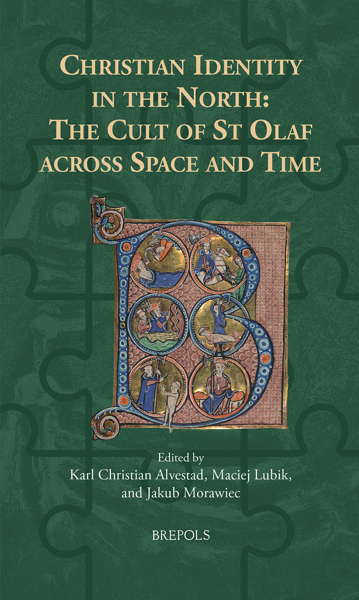
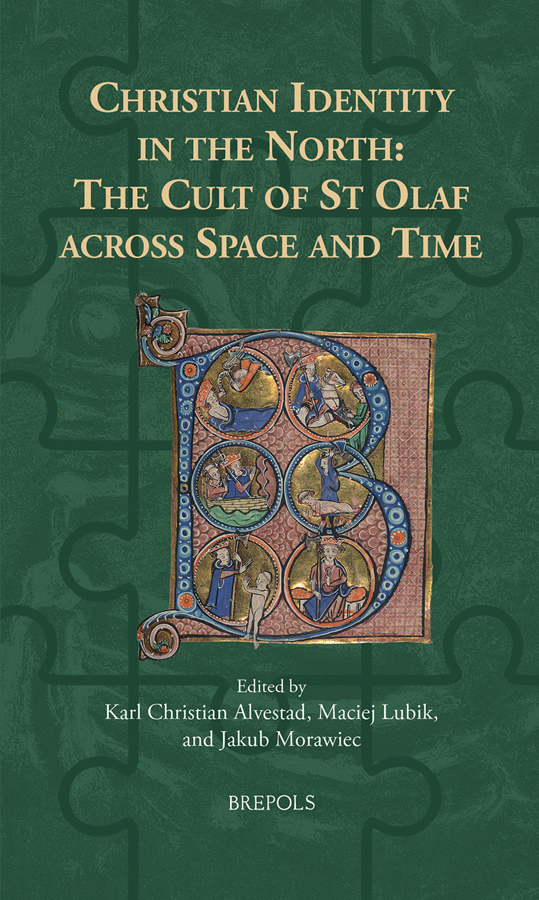
According to tradition, in 1024 the Norwegian King Olaf Haraldsson introduced Christian laws to Norway at the assembly, or thing, held at Moster. That year is often regarded as an emblematic moment marking the beginning of a major cultural transformation in the country, facilitated by the new faith. Olaf died six years later, at the Battle of Stiklestad in 1030, but a cult quickly grew up around him, and as a royal saint, he was widely venerated, acquiring the status of ‘Eternal King’. As a saint, his cult also spread far beyond his own dominion, shaping the religious life of many other societies in Northern Europe in the centuries before the Reformation. The recently celebrated 1000th anniversary of the Moster thing, combined with the millennium since Olaf’s death, provide an occasion to present fresh insights into the many issues surrounding the veneration of St Olaf and to summarize our current knowledge of the topic. Drawing together diverse aspects of his cult, this volume explores the importance of St Olaf across both different regions and different time periods to offer a truly comparative approach to our understanding of this royal saint.
Introduction
THE CULT OF ST OLAF ACROSS TIME
Cnut the Great’s Conquest of Norway and Beginnings of the Cult of St Olaf
Jakub Morawiec
Historia Olavi: the Question of Style
Roman Hankeln
The exempla of St Olaf. The Significance of Four Miracle Stories of the Passio Olavi in the Historical Context of Twelfth-Century Norway
Francesco D’Angelo
The Code of the Norwegian Realm and St Olaf as Political-Religious Symbols for the Norwegian Kingdom in the Late Middle Ages
Erik Opsahl
New Spring for an Old Saint: The Late Medieval Rejuvenation of the Cult of St Olaf
Øystein Ekroll
St Olaf in Post-Reformation Norwegian Historiography – Three Cases
Magne Njåstad
1930, the 900-Year-Anniversary of the Battle of Stiklestad, and the Creation of the Modern Saint
Karl C. Alvestad
THE CULT OF ST OLAF ACROSS SPACE
St Olaf and the Danish Saints – the Development of the Cult of Saints in Denmark, c. 1000-c. 1250
Steffen Hope
The Cult of St Olaf in Iceland in the Middle Ages and Beyond
Margaret Cormack
The Cult of St Olaf in Medieval Ireland
Ann Buckley
St Olaf’s Patronage of Sea Merchants Evidenced by the Testaments of Lübeck Bergenfahrer
Maciej Lubik
Hanseatic Transmission and Christianization from the Thirteenth Century up to the Beginning of the Sixteenth Century in Finland from the Perspective of the Cult of St Olaf
Jyrki Knuutila
St Olaf and Other Nordic Saints in Medieval Livonia
Tiina Kala
Olaf or no Olaf? A Closer Look at Three Images of Saints from Pomerania, Two Identified as Olaf Haraldsson and One Believed to Represent St Erasmus
Łukasz Neubauer
Medieval Art and Cultural Heritage in the Cult of St Olaf: The Column Painting of St Olaf in Bethlehem and the Donatrix Portrait of Kristin Sigurdsdatter
Anne Lidén