Transregional Territories
View publication
Inmaculada Rodríguez Moya, Professor of History of Art in the Department of History, Geography and Art at the Universitat Jaume I. Her research is focused on the iconography of power, festival culture and ephemeral art in Spain, as well emblem culture in both Spain and Latin America. She has published widely on these subjects.
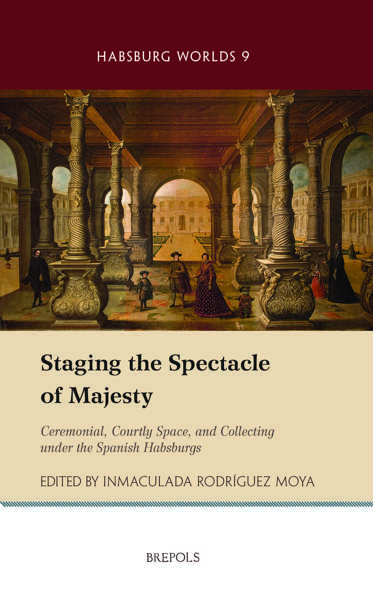
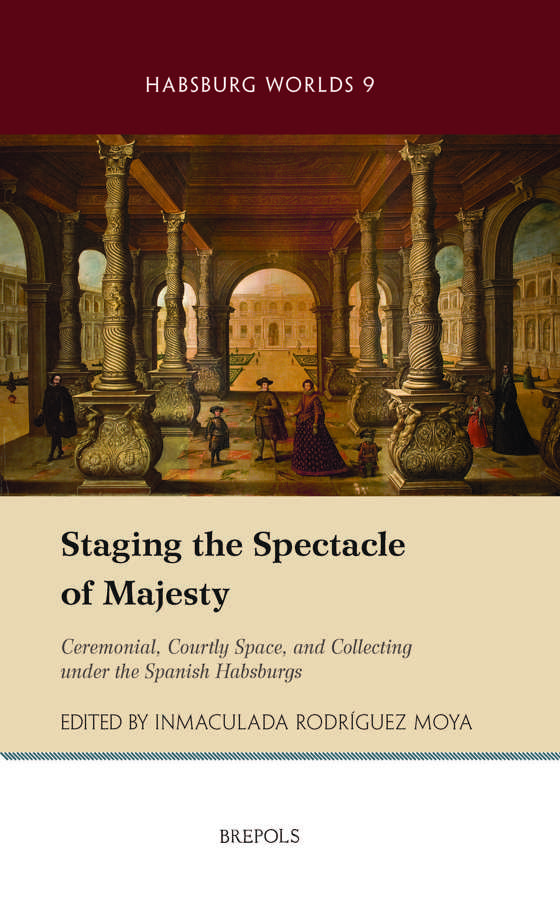
From the sixteenth century onwards the Spanish Habsburg dynasty developed a complex practice of court ceremonial that was implemented across its network of Reales Sitios (royal palaces, residences, and, estates). In parallel, the Spanish Habsburgs amassed a world-renowned collection of sumptuary objects and artworks. Combinations of rituals, spaces and objects were deployed to stage a ceremonial spectacle that foregrounded the monarchy’s power and transmitted an idea of regal magnificence. The purpose of this book is to analyse the representation of this idea of regal grandeur. It brings together a range of studies that focus on court ceremony, the Reales Sitios, collecting, and symbolic language as different facets of one and the same phenomenon. The monarchy’s lavish, visual, and sensory concept of royal power was also transferred to the uppermost tier of the nobility, those closest to the monarch, and, likewise, this phenomenon was susceptible to the influence exerted by other European courts, especially within the peninsular, yet also at the Habsburg viceregal courts.
An Overview of Studies on the Spanish Habsburg monarchy’s Use of Ceremonial, the ‘Reales Sitios’, and Collecting
Inmaculada Rodríguez Moya
Part I: Majestic Ceremonials and Royal Sites
The Significance of Royal Sites and Geographies for the Configuration of the Spanish Monarchy’s Royal Ceremonial (1500-1700)
José Eloy Hortal Muñoz
The Evolution of the Palace Ceremonial and Ordinances in the Portuguese Royal Household During the Fifteenth and Sixteenth centuries
Félix Labrador Arroyo
Semiosis, Power and Festival Culture at the Infantado Palace in the Fifteenth and Sixteenth Centuries. Aristocratic Dialectics of the Burgundian and Andalusi Architectural Traditions
Raúl Romero Medina
Part II: Ceremonies and Royal Collections
Magnificence, Ceremony and the Use of Tapestries During the Reign of Charles V
Jesús Félix Pascual Molina
The Display of Tapestries During the Ceremonies and Receptions Held for Philip II
Miguel Ángel Zalama
Constructing Dynastic Identity: Adorning the Royal Monastery of El Escorial during the sixteenth and seventeenth centuries
Matteo Mancini and Santiago Arroyo Esteban
Part III: Continuities and Transformations in Royal Representations
An Ephemeral Escorial in Honour of Philip II: Architecture and Ceremonial use of the 1798 Seville Catafalque through its Digital Reconstruction
Mª Adelaida Allo Manero and Sergio Román Aliste
Visual Echoes of Philip IV’s Exequies in Spanish Funeral Ceremonial: Iconographic Continuity and Transformation
José Javier Azanza López
Charles II of Habsburg in Palermo. The Presence of an Absent King in the City as Theatre
Víctor Mínguez Cornelles