
Raffaele Riario, Jacopo Galli, and Michelangelo’s Bacchus, 1471–1572
View publication
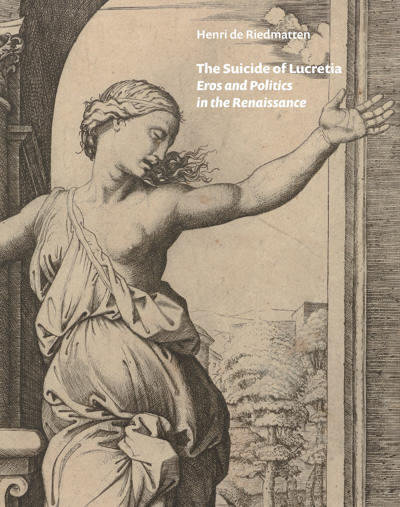
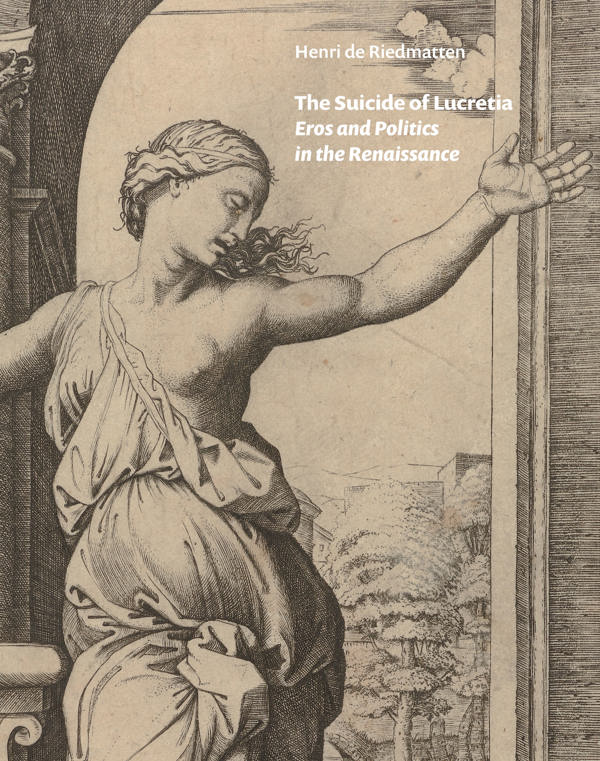
This book examines for the first time the representation of the suicide of Lucretia in Renaissance art, south and north of the Alps.
Henri de Riedmatten is a Privatdozent in Art History at the University of Zurich. His work focuses primarily on the material and anthropological dimensions of art in the early modern period and its strategies for the concealment and unveiling of identity. He has also written on issues of reflection and self-reflection in modern and contemporary art: Narcissus in Troubled Waters: Francis Bacon, Bill Viola, Jeff Wall (Rome, 2014).
How can an act as dramatic as suicide become an object of contemplation? This is a question which artists confronted during the Renaissance. This book explores representations of Lucretia’s suicide in the art of the fifteenth and sixteenth centuries, both south and north of the Alps, which offer the image of a living woman in the process of taking her own life, the image of a woman combining virtue and beauty who self-destructs. The author guides us through the political function of Lucretia’s representation as an emblematic heroine of the Roman Republic, exposes erotic tendencies in the representation of female nudity and examines the remarkable analogical connection between Lucretia and Christ’s sacrifice of blood. In order to elucidate the reception of this Roman figure in the Renaissance, the study also probes questions of origins, the afterlife of antiquity, the material restoration of ancient works and the dynamics of political restoration.