Sins of the Tongue in the Medieval West
View publication
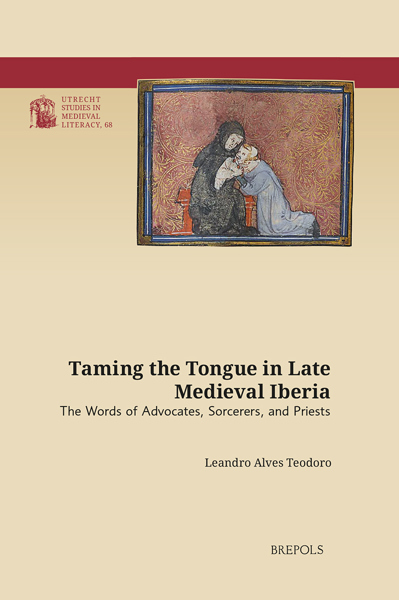
Drawing on a diverse range of sources, this book explores recommendations regarding the use of language in daily life in Iberian society during the late Middle Ages.
Leandro Alves Teodoro is an Associate Professor of Medieval History in the History Department at UNESP, Assis campus. He is also the Brazilian coordinator of the FAPESP-SNSF bilateral agreement "Instruction and Conversion in the World of Exempla" (Process 2021/02936-0), hosted at UNESP and the Université de Fribourg (Switzerland). He is a permanent faculty member of the Graduate Program in History at São Paulo State University. He coordinates the database Pastoral and Doctrinal Works of the Iberian World (https://umahistoriadapeninsula.com/banco-de-dados/).
Drawing on a diverse set of documentary sources — including pastoral treatises, legal texts, exempla, and mirrors for princes — this book explores the value attributed to the act of speaking the truth in Iberian society during the late Middle Ages. It analyses the development of a ‘discipline of speech’ aimed at correcting the sins of the tongue, revealing how care with words became a vehicle for devotion, an instrument for the practice of virtue, and a way of professing the Christian faith in daily life.
To frame this objective, the study focuses on recommendations directed at advocates, sorcerers, and priests. Considering the moral and social scales for assessing virtue and sin at the time, the book highlights the profound distinctions in the positions of these figures. While the priest’s speech was regarded as the most elevated, serving as a bridge to unite with Christ, and the advocate’s discourse was guided by a commitment to earthly justice, the speech of the sorcerer was among the most harshly condemned. The words of sorcerers were seen as an open door to heresy and damnation, denounced as a departure from doctrine and the materialization of deceit.
Introduction
Part One: The Confession of Truth
1 – Vigilance over the Tongue
3 – Defense and Praevaricatio
Closing Remarks
Bibliography