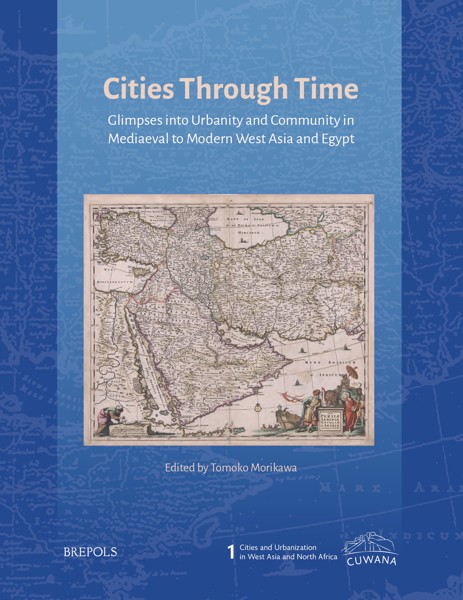
Cities through Time
View publication
The contributors, including internationally renowned archaeologists and Assyriologists, are: Mirko Novak, Pascal Butterlin, Piotr Michalowski, Manuel Molina, Nele Ziegler, Katrin de Graef, Peter Miglus, Shigeo Yamada, Jamie Novotny, Heather Baker, Phillipe Clancier, Winfried Held, Chikako Watanabe, Fumi Karahashi, Cecile Michel, Michael Guichard, Timothy Hogue, Yoko Watai, Yasuyuki Mitsuma, Gina Konstantopoulos (writing order). All are researchers working in universities and national research institutes in the fields of archaeology, anthropology, Assyriology, and history.
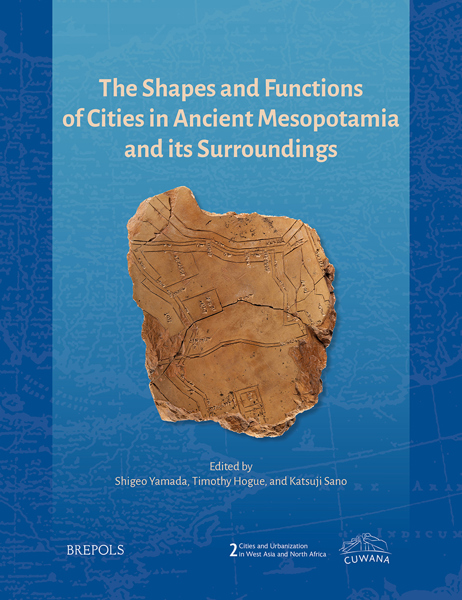
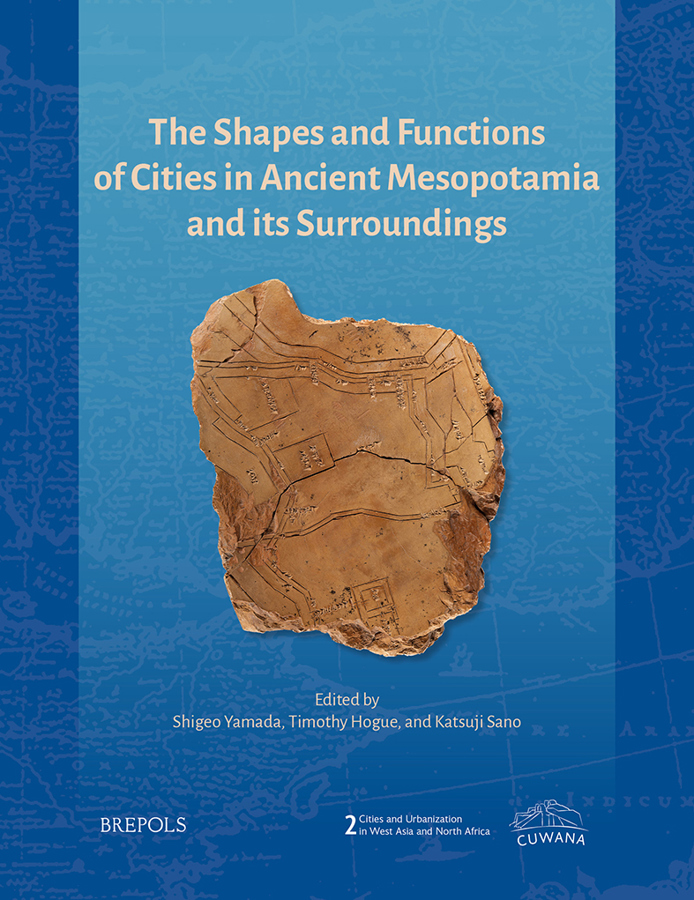
This volume gathers an international group of scholars to investigate the essence of urban civilization as revealed through the cities of West Asia. Covering urbanization from the Uruk period to the Hellenistic and Roman eras, the essays present current analyses of urban landscapes, city planning, and the ideological and functional dimensions that shaped the major cities of Mesopotamia and its environs. The studies collected here situate urbanization within a longue durée perspective, combining broader conceptual treatments of Mesopotamian urban traditions with detailed portraits of major centres, including Nippur as an early religious capital, Ur’s transformation from city state to imperial centre, the administrative and political roles of Mari and Sippar, and the evolution of Assur, Babylon, Nineveh, and Uruk as sacred, imperial, and metropolitan landscapes. The result is a valuable resource that sheds new light on our understanding of the role of the city in ancient Mesopotamia, and of urbanization more broadly.
List of Illustrations
List of Abbrevaitions
Acknowledgements
Introduction
Part I: Mesopotamian City: Concept, Emergence, and Diversity
1. Cities and Urban Landscapes in Ancient Mesopotamia: Different Traditions and Diverging Concepts in Babylonia, Assyria, and Upper Mesopotamia
Mirko Novák
2. Urbanization in Fourth Millennium Mesopotamia: The Proto-urban Matrix
Pascal Butterlin
Part II: Profile of Cities in Mesopotamia and its Surrounding through the Ages
3. Nippur as the Early Mesopotamian Religious Capital
Piotr Michalowski
4. Ur in the Third Millennium BC: From City-State to Imperial Capital
Manuel Molina
5. Mari, Capital City in the Early Eighteenth Century BC According to Textual Data
Nele Ziegler
6. Sippar, City of the Sun God: Layout of an Old Babylonian Urban Agglomeration and Its Hinterland
Katrien De Graef
7. Assur, the Sacred Capital through the Ages
Peter A. Miglus
8. Creation of Renovative Imperial Cities: Kalḫu and Dūr-Šarrukīn
Shigeo Yamada
9. Nineveh, the Metropolis of the Assyrian Empire
Jamie Novotny
10. Babylon: Portrait of an Imperial Capital, c. 620–539 BC
Heather Baker
11. Uruk, the City of Anu in the Late First Millennium BC
Philippe Clancier
12. Seleukid Royal Cities: Babylon, Seleukeia on the Tigris, Ai Khanum, Seleukeia in Pieria, Antiocheia on the Orontes
Winfried Held
Part III: The Environment, Structure, Role, and Image of Cities: Thematic Studies
13. Water in Ancient Mesopotamia: Myths, Cities, and Management
Chikako E. Watanabe
14. An Overview of the Workings of the ‘House of the Woman’ / ‘House of the Goddess Baba’ and the Role of the Queen in Presargonic Lagaš
Fumi Karahashi
15. Cities as the Core of Economic Activities: The Old Assyrian Trading Settlement of Kaneš in Anatolia and the Mother City of Assur
Cécile Michel
16. Nomads and Sedentary People in and around Old Babylonian Mari
Michaël Guichard
17. The Cityscape of Carchemish: A History of Urban Planning at a Major Syro-Anatolian Capital
Timothy Hogue
18. Houses and Families in the Neo-Babylonian Period
Yoko Watai
19. The City of Babylon from the Late Achaemenid to the Early Arsacid Periods Especially on the Function of Its Citadel
Yasuyuki Mitsuma
20. The City as the Centre of the World: Creation, the Mesopotamian World View, and the City
Gina Konstantopoulos
Index of Names