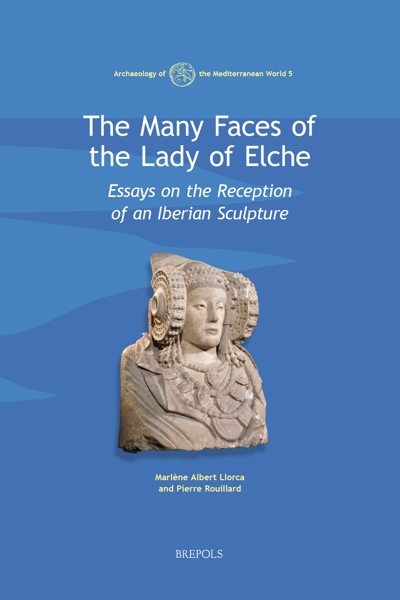
The Many Faces of the Lady of Elche
View publication
Taylor Zaneri is a medieval archaeologist specializing in GIS and zooarchaeology. She is a postdoctoral researcher at the University of Siena.
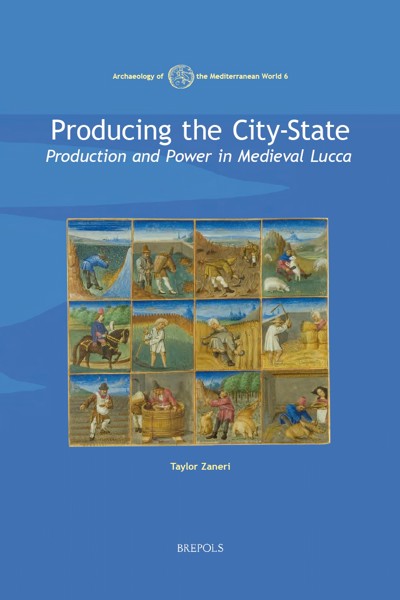
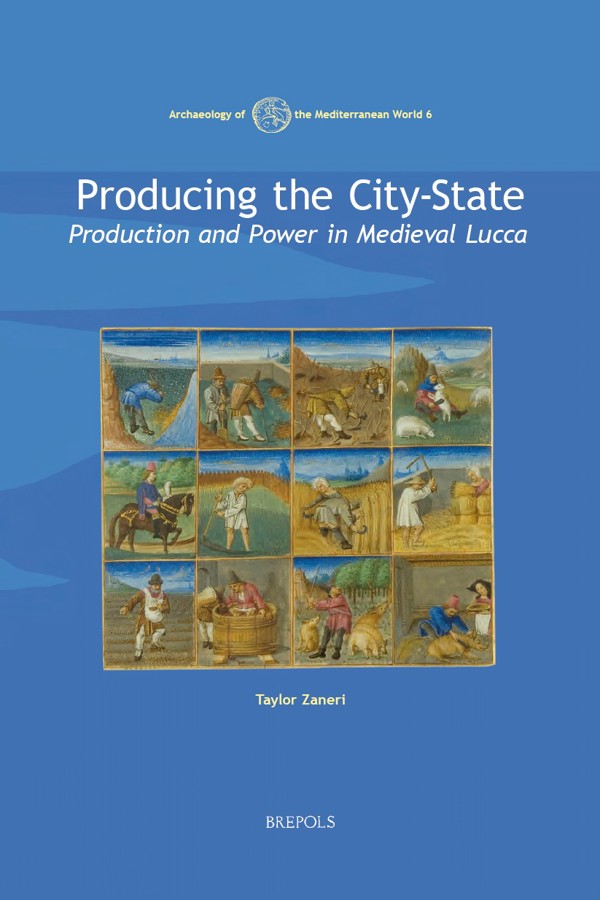
This book examines rural producers as active agents in the economic and political transformations of medieval Lucca, Italy, between 1000 and 1300. It challenges traditional top-down narratives of state formation by foregrounding the choices and agency of non-elites. Rather than treating commercial growth, urban expansion, and regional integration as processes driven solely by urban authorities and elites, the study argues that these developments were made possible in part by a transformation of the rural economy and the choices of rural producers. It suggests that rural cultivators altered their agricultural and landscape choices to increase participation in commercial exchange, particularly with the city of Lucca. While these decisions were shaped by structural constraints, they would have involved the conscious participation of rural communities.
Archaeological in focus, the study employs GIS-based agricultural suitability modelling to analyze landscape use and settlement shifts in the hinterland of Lucca. The locations of more than 400 churches are used as a proxy for rural settlements. Over the analysis period, the results demonstrate increased agricultural specialization and the growing importance of commodities such as wine and olive oil, alongside shifts toward more commercially connected landscapes. This book argues that these changes were not merely imposed by urban authorities but reflected deliberate decisions by rural actors themselves, underscoring their role as integral participants in medieval socio-political change.
List of Illustrations
Acknowledegements
Chapter 1. Introduction
Agency, Negotiation, and Participation
Urban and Rural
Agriculture and Agency in Medieval Lucca
Methods and Sources
Structure of the Book
Chapter 2. Living Landscapes: A Historical and Geographic Overview of Lucca
Historical Overview: Early Origins
Geography of the Region
Communal Origins
Lucca and its Territories
Mediavalle, Garfagnana, and Versilia
Diocese Boundaries and Border Territories
Fragmented Land Ownership and Weak Signorial Control
Statutes and Political Turmoil
Summary
Chapter 3. Thinking Like a Producer: Productive Decisions in Social Contexts
Environmental Possibilities and Constraints in Medieval Lucca
Organization of Labour
Household Labour and Organization
Summary
Chapter 4. Documents and Details: Rural Production as Seen Through Texts
Lucca and the Question of Signorial Power
Historical Documentation in Lucca
Rural Production and Rent Contracts AD 700 to 1000
Rent Contracts post-1000
A Spatial Perspective on Agricultural Production
Summary
Chapter 5. GIS Methods: Modelling Agricultural Suitability
Introduction
Environmental Archaeology
Modelling and Simulations
The Use of Modern Landscape Data
Datasets
Soil Variable Classifications and Rankings
Elevation, Slope, and Slope-Aspect Modifier
Summary
Chapter 6. From Models to People: Change and Choices: Results of GIS Analysis
Rural Churches as a Proxy for Medieval Settlement
1260 estimo of the Diocese of Lucca
Model Results and Interpretation
Comparison of Model Results with Historical Inventories
Data from Archaeobotany and Environmental Studies
GIS Results
Distance and Accessibility of Churches and Villages to Lucca
Summary and Conclusions of GIS and Landscape Analyses
Chapter 7. Material Matters: Connections and Networks in Medieval Lucca
Ceramic Evidence
Numismatic Evidence
Summary
Chapter 8. Conclusions
Works Cited
Index