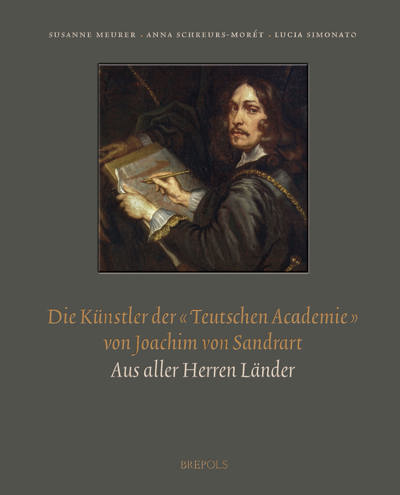
Die Künstler der Teutschen Academie von Joachim von Sandrart: Aus aller Herren Länder
View publication
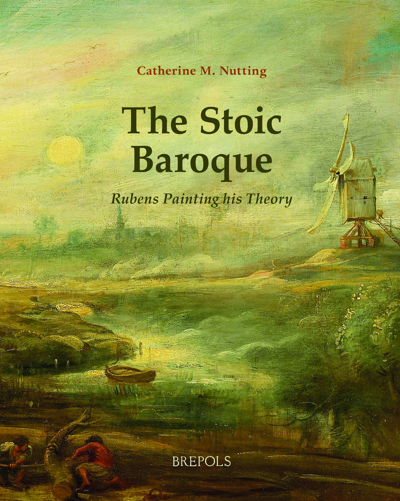
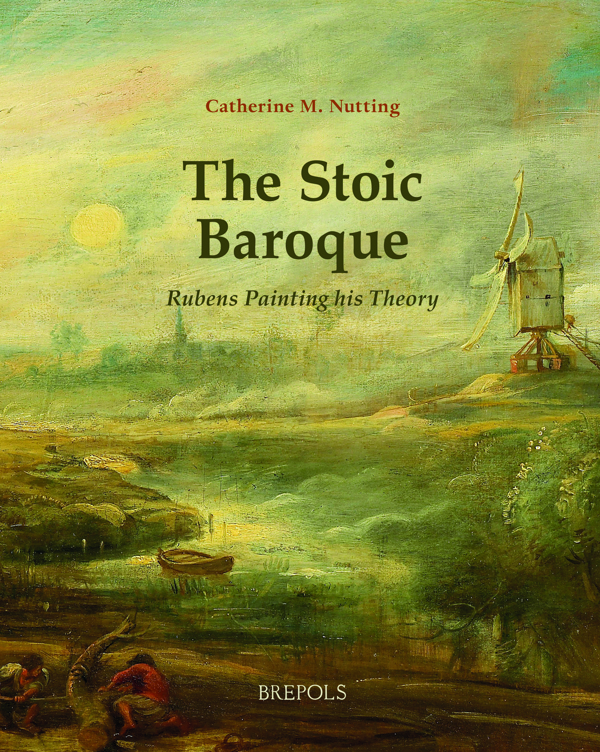
Rubens is known as a painter; he should also be known as an art theorist. The energized style that he developed draws on the classical Stoic theories that shaped his ethos and worldview.
Catherine M. Nutting is an art historian. She holds a PhD from the University of Victoria, Canada. She has taught on Theory and Art History and published on Modern and Early Modern topics.
How is it possible that the seventeenth-century Flemish artist Peter Paul Rubens, who painted in an intense style, with sensual subject matter, was a Stoic?
At the core of the Early Modern artistic project is the issue of how style conveys meaning. Baroque style can connote art theory, and for Flemish painter Peter Paul Rubens, this theory included classical Stoic philosophical concepts. While Rubens’s commitment to Stoicism can be traced in his subject matter, the author investigates it in his style, using a Baxandalian inferential critical method. Rubens’s formal choices, his varied brushwork, and his skilful creation of the vibrant picture plane indicate his facility with Stoic philosophical models. The artist’s library yields further evidence of the humanist-artist building upon classical philosophical texts, methods, and styles. The topics of Ethics, Logic, and Physics structure this study. Classical interest in viewer/reader response informed Baroque artists’ use of style to target viewers’ personal transformation. Stoic Logic privileged the investigation of existing reality, and it consequently engendered a classical rhetorical style that was complex and nuanced. This commitment to complexity underpins the Early Modern fascination with copia, including Rubens’s painterly method, or Abundant Style. The Early Modern artistic interest in the unified visual field can be linked to Stoic Natural Philosophy. The Stoics defined the natural world as eternally moving and mixing; with force fields, energy, and elements in interconnected relationships of cause and effect, and these qualities can be seen in Rubens’s characteristic use of copious brushwork to build up a resonating picture plane.
Abstract
Acknowledgements
Introduction
Chapter I. By a Good Hand: Style Can Signify
Chapter II. A Number of Different Excellencies: Stoic Rhetoric, and Macchia for Wisdom
Chapter III. Rousing the Soul’s Impulse: Stoic Ethics, and Rubens’s Painted Ensembles
Chapter IV. In Living Sympathy: Stoic Physics, and the Harmonious Picture Plane
Conclusion. Stoic Optimism in Rubens’s Style
Bibliography
Appendix
Index