
The Letters of Salvator Rosa (1615–1673)
View publication
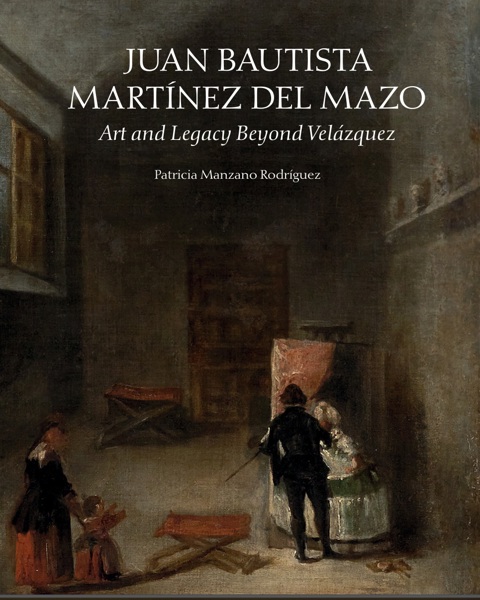
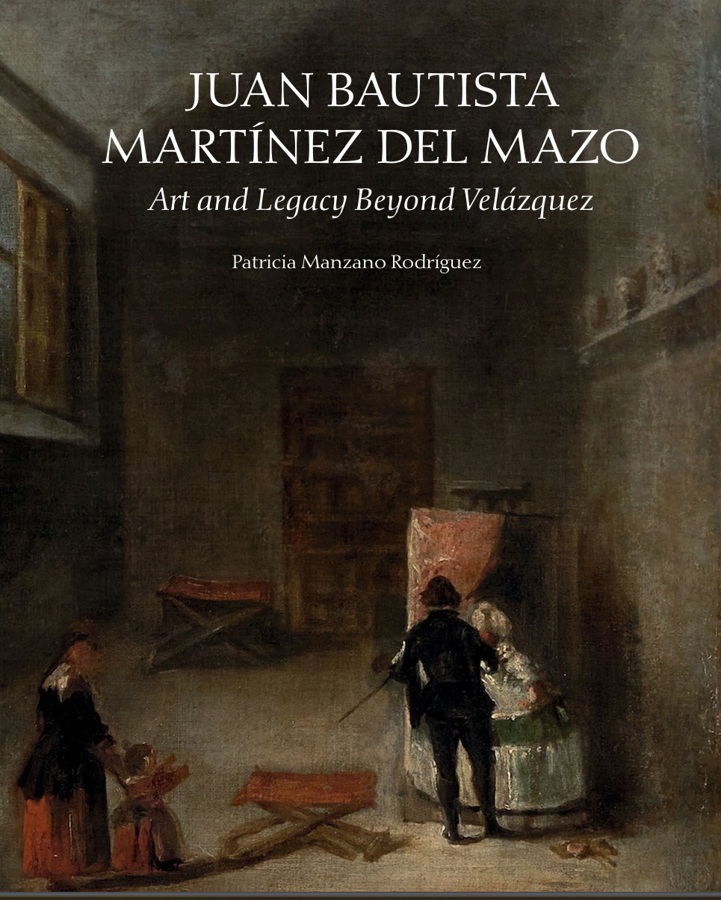
This book investigates the scope of Mazo’s work and influence in Spanish art from the seventeenth century onwards by exploring the tensions between canonical and non-canonical artists, reconsidering what constitutes an ‘original’ artwork, and addressing the question: ‘What’s in a name?’
Patricia Manzano Rodríguez is the Chief Curator of the Meadows Museum in Dallas. She received her PhD degree in History of Art from Durham University and specialises in Spanish baroque art and the workshop of Diego Velázquez.
Spanish art has long been straightjacketed by a series of six names: El Greco, Ribera, Velázquez, Murillo, Goya, and Picasso. Juan Bautista Martínez del Mazo (ca. 1612–1667) is notably absent, which is astonishing given that his paintings occupy the upper half of one of the most important Spanish artworks, Velázquez’s Las Meninas. However, Mazo has been merely a footnote in Spanish Art History. He is literally a footnote in Jonathan Brown’s seminal Painting in Spain 1500–1700 (1998), where the author claims that Mazo’s monograph is necessary for the development of Spanish art. Curiously, one does not exist, as no extensive research on the painter has been published. This is surprising, given that Mazo was portraitist to the Spanish royal family, a renowned copyist, and a skilled landscape painter. He painted one of the three known seventeenth-century Spanish group portraits (along with Las Meninas) and produced prized religious paintings. Nevertheless, he is still a vastly under-researched artist from Velázquez’s workshop. Using Mazo as a case study, this thesis provides further insight into the artistic context of early modern Spain, touching on such broader issues in the humanities as authorship, canonicity, and originality. The project investigates the scope of Mazo’s work and influence in Spanish art from the seventeenth century onwards by exploring the tensions between canonical and non-canonical artists, reconsidering what constitutes an ‘original’ artwork, and addressing the question: ‘What’s in a name?’
Introduction
1. Curating Mazo
2. The upper half of Las Meninas
3. Mazo’s rise to fame as a copyist
4. Painter and courtier
5. A brush with nature: Mazo as a landscapist
6. Catalogue of works: a critical commentary
Afterword: Mazo the velazqueño
Appendix A: Catalogue of works
Appendix B: Marriage file of Juan Bautista Martínez del Mazo and Francisca Velázquez (1633)
Bibliography
Figures