
Many Antwerp Hands
View publication
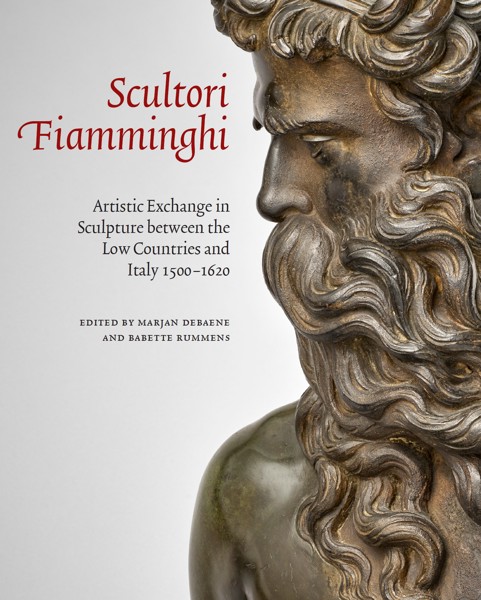
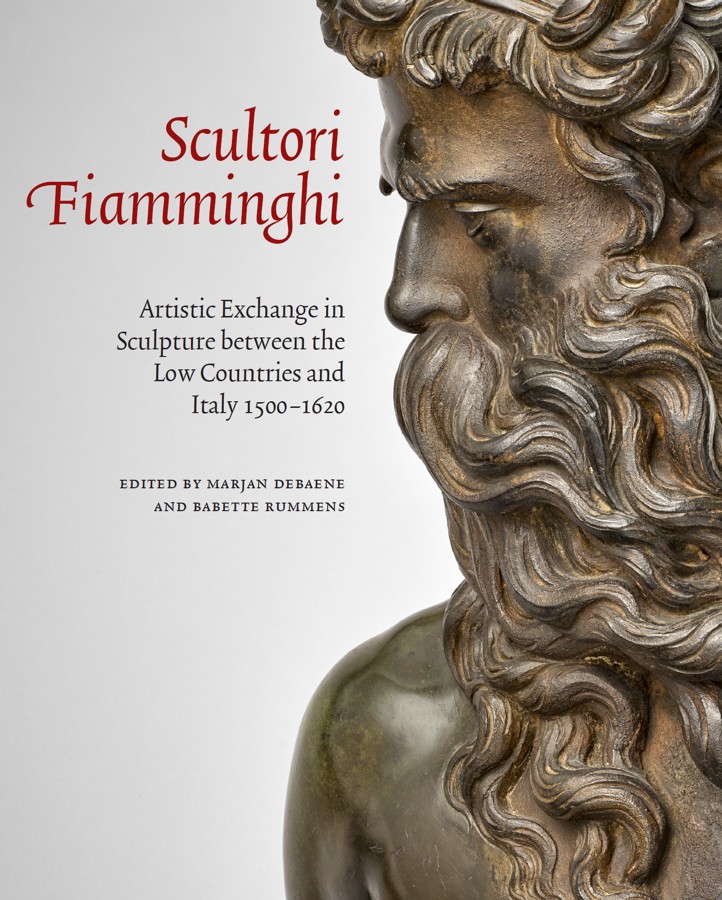
Scultori Fiamminghi highlights the artistic exchange between Italy and the Low Countries in sixteenth- and early seventeenth-century sculpture.
MARJAN DEBAENE (b. 1978) studied Art History and Cultural Studies at KU Leuven. She is currently active as the Director of Old Masters at M Leuven and is finalizing her doctoral research that examines the sculpture produced in Leuven around 1500. As an expert in the field of Late Gothic Brabant sculpture, she has curated several exhibitions and collection presentations for the museum, including, in recent years, ‘Borman and Sons’ (2019) and ‘Alabaster’ (2022). Debaene also coordinates ards, the platform for medieval sculpture.
BABETTE RUMMENS (b. 1998) studied Art History at KU Leuven. For M Leuven she coordinated the exhibitions ‘Atelier Bouts’ (2024) and ‘The Pursuit of Knowledge’ (2025). She also contributed to the realization of various exhibition catalogues for the museum: from Dieric Bouts. Creator of Images to contemporary art publications on Peter Morrens, Sigefride Bruna Hautman, and Alicja Kwade.
From the late medieval period onwards, an interplay of different factors stimulated sculptors from the Low Countries to work abroad. From the first half of the sixteenth century, artists increasingly travelled to Italy. These so-called Scultori Fiamminghi crossed the Alps to study classical monuments and sculptures firsthand, to draw inspiration from the new Renaissance style and, as a result, to both develop their own artistic expression and seek commissions from new patrons. The dynamic exchange between the Northern and Southern Renaissance gave rise to fascinating stylistic cross-pollination.
This book contains not only a wide range of essays that address multiple aspects of the sculptural relationship between the Low Countries and Italy in the sixteenth and early seventeenth centuries, but also detailed catalogue entries on all exhibition loans. The catalogue follows a chronological structure, highlighting early precursors and transitional figures, as well as the first and second generation of Flemish sculptors active in Italy, culminating in the Early Baroque period.
In addition to bringing together and synthesizing previously published research, the present volume presents a significant body of new information. This material is the result of in-depth research conducted by leading specialists across various disciplines and offers an overview of the most recent discoveries in the field, including the papers presented at the tenth ards Colloquium on Medieval and Renaissance Art (Rome, 2023).
With essays by Marjan Debaene, Harula Economopoulos, Grégoire Extermann, Tancredi Farina, Stefano Farinelli, Valerie Herremans & Joris Snaet, Alain Jacobs, Arie Pappot, Frits Scholten, Max Wiringa.
Introduction
Marjan Debaene
From Gothicism to Mannerism in the Low Countries
The Development of a New Style in the Low Countries in the First Half of the Sixteenth Century
Marjan Debaene
Jacques Dubroeucq: A Connection Between Genoa and Rome
Grégoire Extermann
catalogue nos 1–32
Shaping Connections: Giambologna and Artistic Exchange between Italy and the Low Countries
Sculptors from the Low Countries in Italy in the Late Sixteenth and Early Seventeenth Centuries
Harula Economopoulos and Alain Jacobs
Giambologna: Between Florence and the Low Countries
Max Wiringa
Casting a New Light on Giambologna’s Time in Rome
Max Wiringa
On Goldsmiths and Sculptors
Frits Scholten
Copies of Michelangelo’s Phases of Time Shared between Italy and Northern Europe: The Role of Niccolò Tribolo’s Terracottas
Stefano Farinelli
catalogue nos 33–90
Fiamminghi Sculptors’ Presence and Activity in Rome
Fiamminghi Sculptors in a Roman Context: Work Organization, Patronage, and Religious Affiliations
Harula Economopoulos
Piper, Van den Vliete, and La Motte as Restorers, Antiquarians, and Collectors
Harula Economopoulos
Some Thoughts on Nicolas Piper, Gillis van den Vliete, and Portraiture in Late Sixteenth-Century Rome
Tancredi Farina
Jacob Cobart: An Update of Our Knowledge
Alain Jacobs
Pierre de la Motte and Guglielmo Mido: Two Sculptors from the Southern Netherlands Active in Post-Tridentine Rome
Alain Jacobs
catalogue nos 91–102
The Triumph of Catholicism and Early Flemish Baroque Sculpture in the Southern Netherlands
From Mannerism to Baroque in the Southern Netherlands
Alain Jacobs
The De Nole Workshop’s Sculptural Programme at the Basilica of Our Lady of Scherpenheuvel
Valerie Herremans and Joris Snaet
catalogue nos 103–113
Epilogue
catalogue no. 114
Dating Bronzes: Two Case Studies from the Exhibition
Arie Pappot
Bibliography
Index
Lenders to the Exhibition
Photographic Acknowledgements