
Picturing Animals in Early Modern Europe
View publication
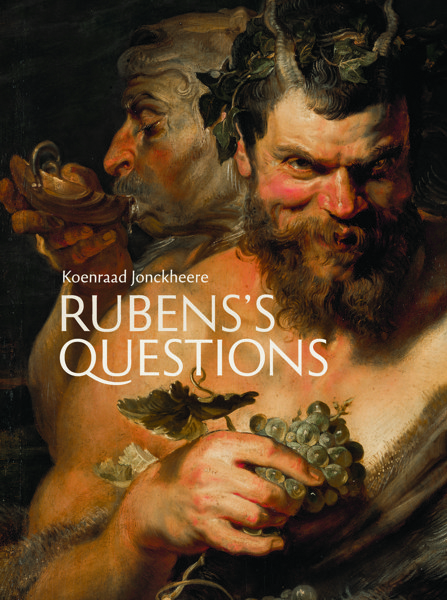
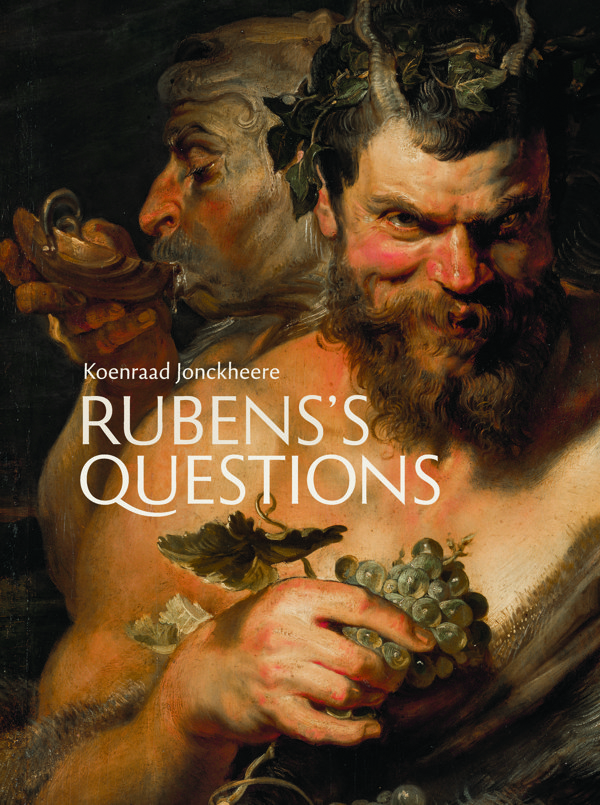
Rubens’s Questions: Religion, Paragone, and the Ontology of Painting explores the pivotal role of doubt in understanding the work of Peter Paul Rubens.
"Rubens’s Questions: Religion, Paragone, and the Ontology of Painting, is arguably one of the most intellectually engaging contributions to the literature on the artist published in recent years. Though its title may seem too ambitious, each of the words is used with a very specific meaning in mind. (...) As a result, his study incorporates a wealth of sources seldom discussed in the literature on this proverbially cosmopolitan artist, with focus on religious and political tracts by authors from both sides of the religious divide." (Aneta Georgievska-Shine, in Historians of Netherlandish Art Reviews, October 2026 [published online])
Koenraad Jonckheere is a professor of Northern Renaissance and Baroque Art at Ghent University. His published works include The Auction of King William’s Paintings, Adriaen Thomasz. Key and Willem Key, Antwerp Art after Iconoclasm, Another History of Art and Instagrammable. He authored several part of the Corpus Rubeninaum Ludwig Burchard.
Rubens’s Questions: Religion, Paragone, and the Ontology of Painting explores the pivotal role of doubt in understanding the work of Peter Paul Rubens. Focusing on his easel paintings from the 1610s, this book argues that Rubens engaged with the era’s most pressing intellectual debates without resorting to overt dogma. His works served as open-ended invitations, encouraging viewers to grapple with complex issues of religion, art, and philosophy, offering no definitive answers but instead providing space for personal reflection and recalibration. In contrast to the more direct, polemical writings of his contemporaries, Rubens subtly used his compositional mastery to question the very nature of art—its visual and tactile properties—while navigating the tensions between idolatry and iconoclasm. Rather than aligning with one side of these heated debates, Rubens’ paintings proposed a nuanced middle ground, engaging with the ontological questions of his day and affirming the enduring value of painting itself.
Additionally, this book addresses a significant gap in Rubens scholarship: the almost total absence of Dutch-language sources in the existing literature. By examining these overlooked materials, it reveals a paradigmatic shift in Rubens' artistic approach, one that was deeply informed by the intellectual climate of the Netherlands.
Preface
Introduction
Chapter One: A Twisted Hand, a Turn of Mind
Chapter Two: Questies
Chapter Three: A Visual Quaestio Syntax
Chapter Four: Confluent Epistemes
Chapter Five: Questions in and of Art in Ruben’s Time
Chapter Six: The Ontological Question
Chapter Seven: Allegory: Thinking Inside the Box
Chapter Eight: The Question of Use
Chapter Nine: Painting as Ontology
Coda: Appearance without Substance, Form without Matter
Notes
List of Illustrations and Credits
Bibliography
Index