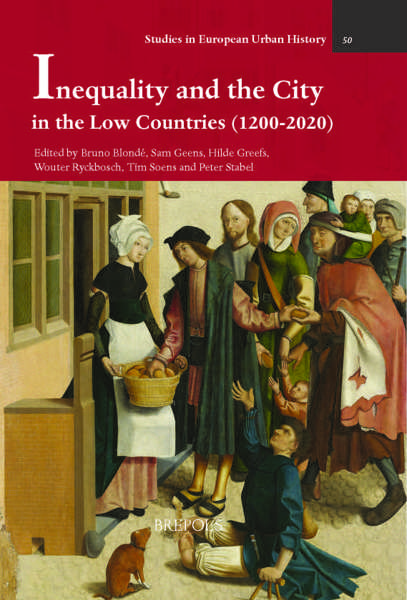
Inequality and the City in the Low Countries (1200-2020)
View publication
Hannele Klemettilä, doctor of medieval history (Universiteit Leiden), has published extensively on cultural history of the late Middle Ages.
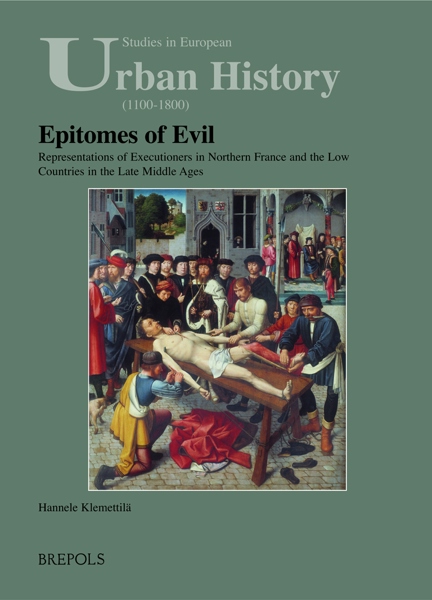
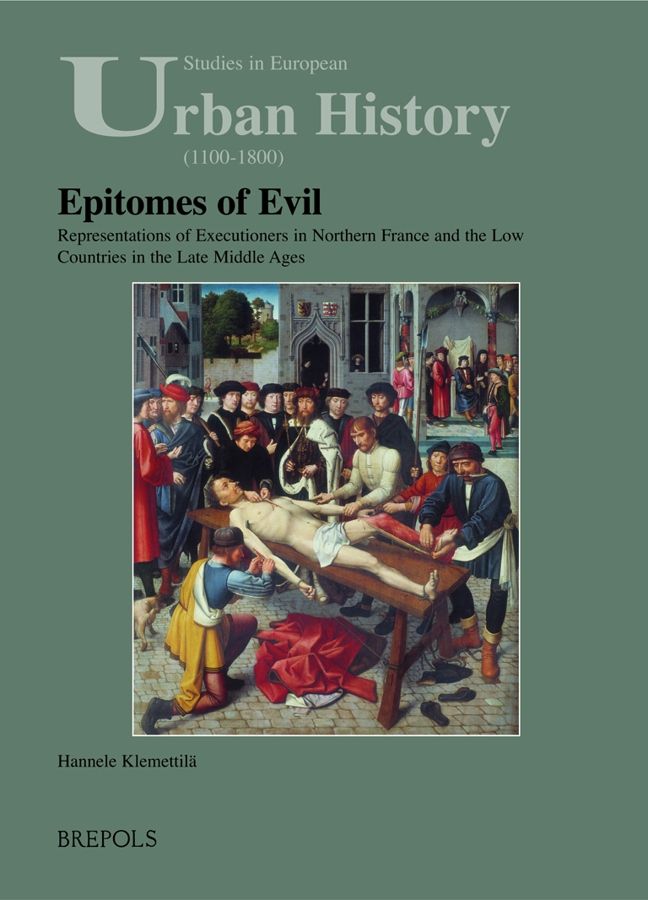
Hangmen were familiar characters from urban reality to people living in France and the Burgundian Netherlands in the late Middle Ages. These officers played an essential role in the new penal system. However, general attitudes towards public executioners were highly ambiguous, often hostile and disparaging. In past imagery, various hangman figures, real or fictitious, were closely linked to ideas of otherness, cruelty, sin and evil. They were identified with criminals, marginal people and demons. In the period of the late Middle Ages, the hangman's representations were actively exploited, shaped and modified for various reasons by different social and cultural groups in different products of culture, religious as well as secular.
This study casts light on ways of perceiving the executioner in French and Burgundian culture and society from the fourteenth to the early sixteenth century. The primary sources used in this work consist of wide and varied printed and non-printed textual materials such as chronicles, writings by legal experts and theologians, drama and poetry. Significant role is also given to the testimony offered by pictorial art, both sacred and profane, especially miniatures and panel paintings.