Servants of Satan and Masters of Demons
View publication
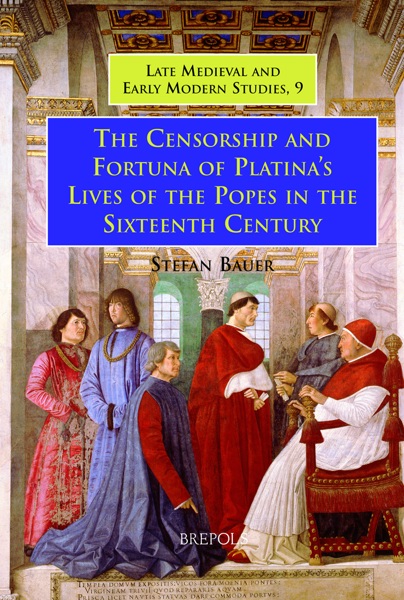
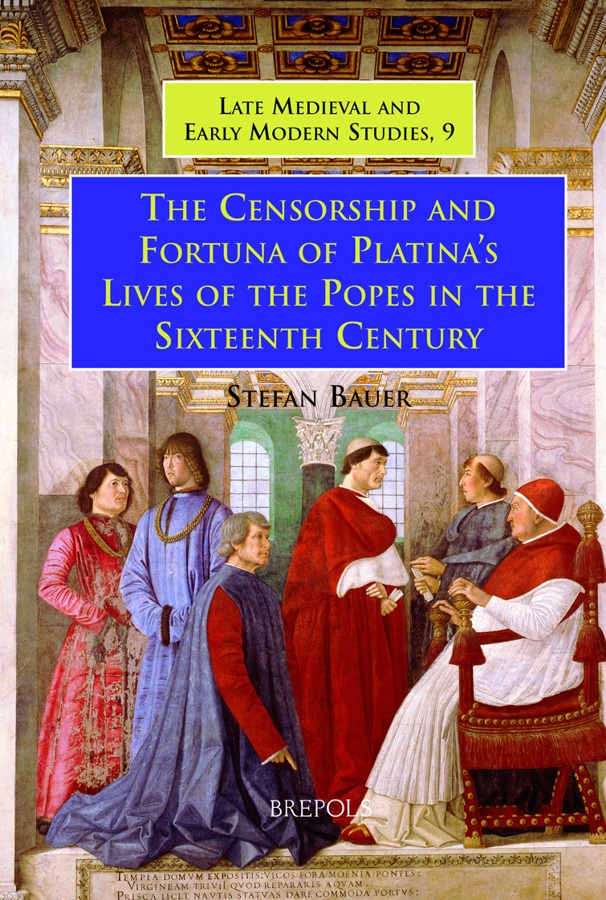
This book examines the largely untold story of Bartolomeo Sacchi's ('Platina', 1421-1481) Vitae pontificum (Lives of the Popes) and its fortuna, with a detailed assessment of the role of censorship in the text's reception.
When Bartolomeo Sacchi ('Platina', 1421-1481) wrote his Vitae pontificum (Lives of the Popes) and presented it to Pope Sixtus IV in 1475, he surely could not have imagined how influential it would become over the centuries. His was the first papal history composed as a humanist Latin narrative and, as such, marked a distinct breakthrough in relation to the Liber pontificalis, the standard medieval chronicle of the papacy. Whatever Platina's intentions for the book, it soon came to be regarded as the official history of the Roman pontiffs. After the editio princeps of Venice 1479, updated and extended editions continued to be produced until late in the eighteenth century.
The largely untold story of Platina's Lives of the Popes and its fortuna is the focus of this book. The Lives were particularly popular because of Platina's frank criticisms of papal behaviour which did not live up to his humanist moral values. He reminded the popes that they were mere human beings and urged them not to indulge in luxury and nepotism. Catholics, whether or not they agreed with such indictments, read the Lives eagerly, while Protestants naturally appreciated Platina's fault-finding approach towards the papacy. The role which censorship played in the reception of the Lives was previously unknown. This book examines the censorship process (1587-1592) in detail, including a critical edition of the assessments and corrections by English and Italian censors newly uncovered in the Vatican and in Milan.
"B[auer]. esamina con acutezza gli interventi sulle Vitae [...]. Il libro, che reca un importante contributo alla conoscenza del Platina e dei meccanismi che regolavano la censura, si chiude sulla straodinaria furtuna europea delle Vitae, tradotte tra il 1519 e il 1685 in cinque lingue." (G. Fragnito in: Quellen und Forschungen aus Italienischen Archiven und Bibliotheken, vol. 87, 2007, 584)
"In this impeccably researched and presented book, Stefan Bauer has produced a scholarly tool essential for investigating the intersection of the late-Renaissance ideas and practices with those of the Catholic Reformation." (Donald J. Kagay, in: The Sixteenth Century Journal, XXXIX/3 (2008), p. 780)