The Playful Middle Ages
View publication
“This extremely useful collection of essays adds to a growing literature on high and late medieval serfdom (…)”
(Phillipp R. Schofield, in Nottingham Medieval Studies, LI (2007), p. 282)
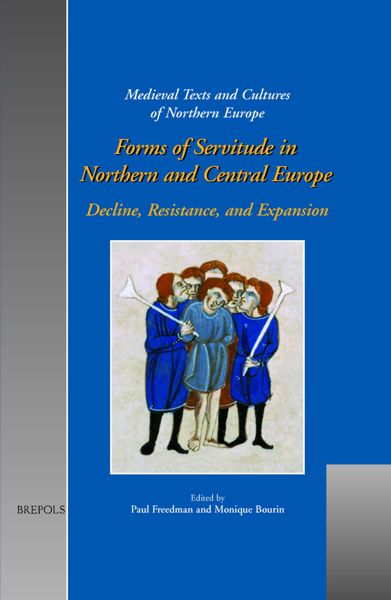
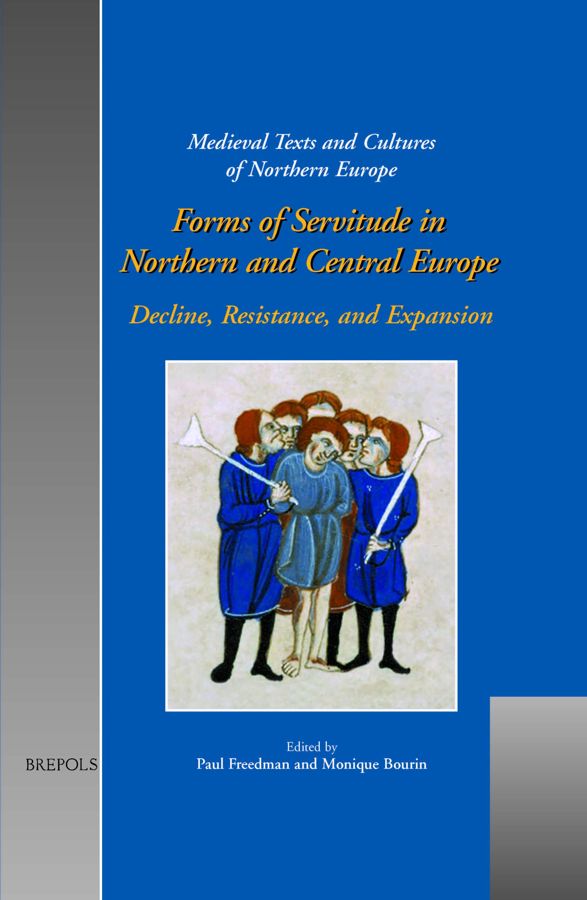
In the nineteenth and early-twentieth century it was assumed that nearly all agricultural labourers in medieval Europe were serfs. Serfdom was distinct from slavery in that serfs were recognized as something more than chattels. They could contract legitimate marriages, hold personal property and they could not be moved around at will. The fact that serfs were in many regions a minority of the peasant population, and the increasing importance given to social and economic circumstances over legal definitions led historians to move away from examining servile condition and its implications during much of the late twentieth century. Attention has instead focused on the seigneurial regime and village society with little regard for the influence of status.
In the Middle Ages and indeed in all pre-industrial societies, the vast majority of the population tilled the land. We are still not in a good position to evaluate how noble and ecclesiastical landlords received revenues from lands they were only indirectly engaged in farming, thus there are important gaps in our knowledge of the basic factors that governed medieval society. What kind of agricultural system provided the impetus for economic growth that so dramatically increased the number of cities and volume of trade?
There is no modern, synthetic book on medieval serfdom that compares regions or draws general conclusions about it. This work attempts such a synthesis and also shows avenues of future research, but most importantly it is intended to reorient attention to the importance of serfdom in the structure of medieval society.