Portrait and Tapestry/Portrait et Tapisserie
View publication
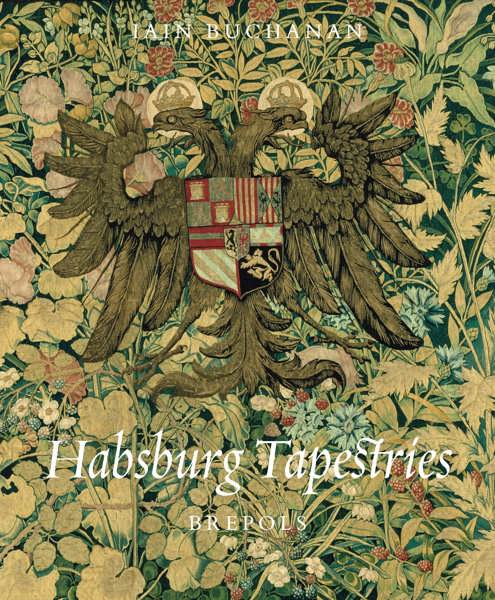
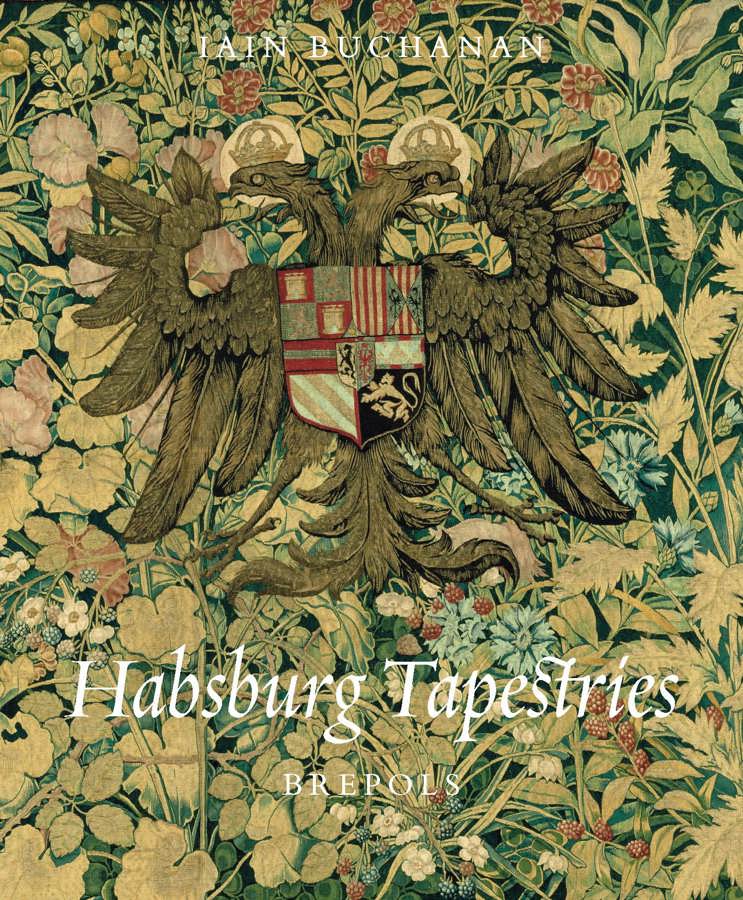
This publication presents a descriptive catalogue of the Flemish tapestries collected by the Habsburg rulers of the Low Countries, that examines their historical and cultural context.
«L’ouvrage d’Iain Buchanan (…) permet donc une entrée particulière dans l’histoire des arts et de la décoration a la Renaissance» (Jean Balsamo & Deborah Knop, dans le Bulletin de Liaison de la Société Française d’Etude du Seizième Siècle, 83, 2016, p. 26)
« (…) l’ouvrage ne manquera pas de retenir l’attention des spécialistes en les invitant à y récolter une moisson d’éléments inspirant de nouvelles analyses et à réfléchir à un renouvellement des angles d’approche. » (Cecilia Paredes, dans la Revue belge d’archéologie et d’histoire de l’art, 85, 2016, p. 170)
“Buchanan adds to the discussion through his assessments of rare archival sources. The volume’s appendixes feature transcriptions of relevant documents and Habsburg tapestry inventories, making this beautifully produced volume in the excellent series, Studies in Western Tapestry, a resource for further scholarly research. Useful for the specialist and accessible to the nonspecialist, Habsburg Tapestries affirms tapestry’s privileged place at the intersection of art, politics, and commerce in the Renaissance.” (Lorraine Karafel, in Renaissance Quarterly, 70/2, 2017, p. 673)
“Appendices transcribing documents, some directly concerned with the catalogue, are the final touch in turning the book into a convenient one-volume resource for anyone studying Habsburg tapestries – or, more generally, the role of tapestry along with painting and sculpture in Habsburg display.” (Miriam H. Kirch, in: HNA Reviews, January 2018)
The Flemish tapestries collected by the Habsburg rulers of the Low Countries are among the most beautiful art works of the Renaissance period. This book places these important tapestries in their historical and cultural context. Part I of the book examines the relationship between the Habsburgs and the tapestry industry in the Low Countries, the roles of the artists who designed the tapestries, the weavers who made them, and of the tapissiers, the court officials who looked after the royal tapestry collections. This is followed by four chapters which document and survey the collections formed by the Habsburg rulers of the Low Countries: Margaret of Austria, the Emperor Charles V, Mary of Hungary and Philip II of Spain. Part II of the book is a detailed catalogue of thirteen of the most important surviving Habsburg sets. These include such important tapestries as the Honours, the Hunts of Maximilian, the Armorials of Charles V, the Seven Deadly Sins, the History of Vertumnus and Pomona and the Apocalypse. Every tapestry of each set is given detailed analysis and all are reproduced in full colour in over 100 colour plates. An extensive Appendix gives many of the original documents concerning the tapestries as well as the most important surviving Habsburg tapestry inventories from the period.
The author is a specialist in Northern Renaissance art who has published widely on the patronage and collecting of renaissance painting and tapestries.