Antwerp in the Renaissance
View publication
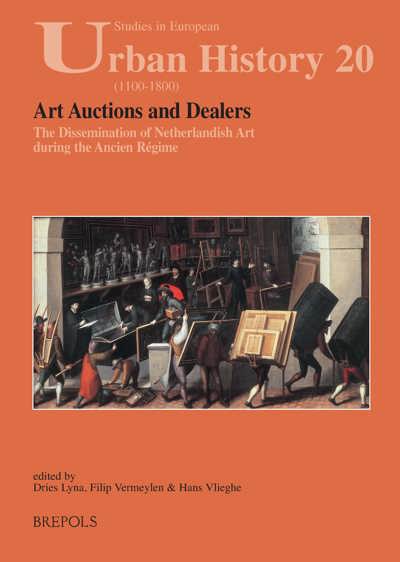
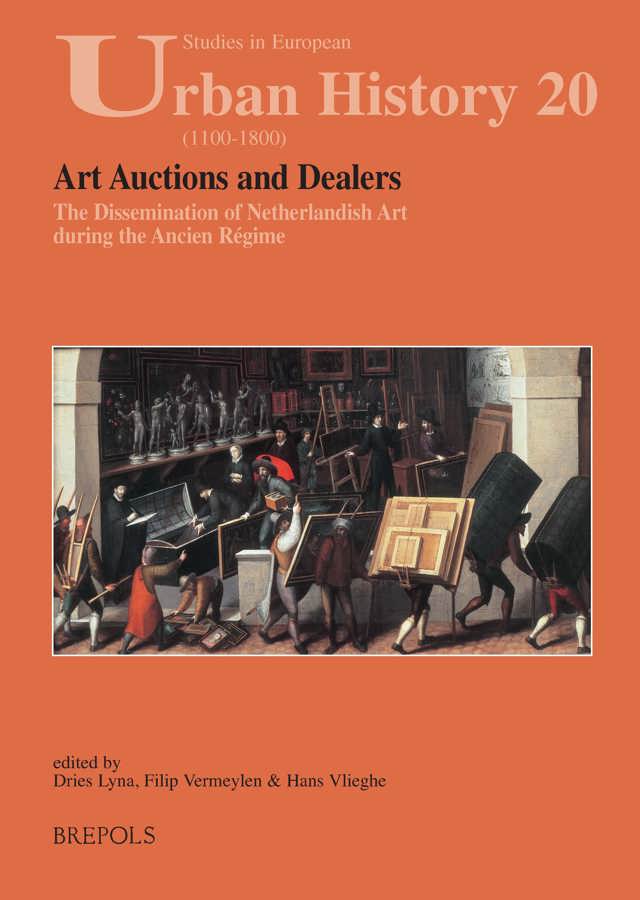
This collection of essays presents a status quaestionis concerning the dissemination of Flemish and Dutch art during the period 1500-1800, and highlights the role art auctions and dealers have played in this process. Auctions emerged as the primary channel for art sales at the end of the seventeenth century in the Low Countries and started a trent whereby countless local art collections were broken up and sold to the highest bidder. Especially (old master) paintings exchanged hands in great numbers at these public sales, and the finest pieces frequently ended up in foreign holdings.
The activities of the professional art dealer form the focus of several essays. These intermediaries played an instrumental role in the commercialization and expansion of the art trade in early modern Europe. They had a profound impact on the history of collecting as they mediated and even influenced taste. Naturally, the role of art dealers changed over time. Therefore, the historians, art historians and economists who contributed to this volume have approached this phenomenon in an interdisciplinary fashion in order to properly understand how art markets functioned. In doing so, these essays explore the various ways in which art dealers helped shape markets for art, and how they facilitated the increasing volume of exports of Netherlandish art from the sixteenth century onwards.
Hans Vlieghe is professor emeritus at the University of Leuven. He has published extensively on Flemish art of the 17th century, especially on Rubens and his circle.
Filip Vermeylen is assistant professor of Cultural Economics at the Erasmus University in Rotterdam. His current research focuses on the history of art markets.
Dries Lyna works at the Center for Urban History (University of Antwerp), where he is currently preparing a Ph.D. thesis on art auctions in eighteenth-century Antwerp and Brussels.