

Alabaster Sculpture in Europe (1300-1650)
View publication
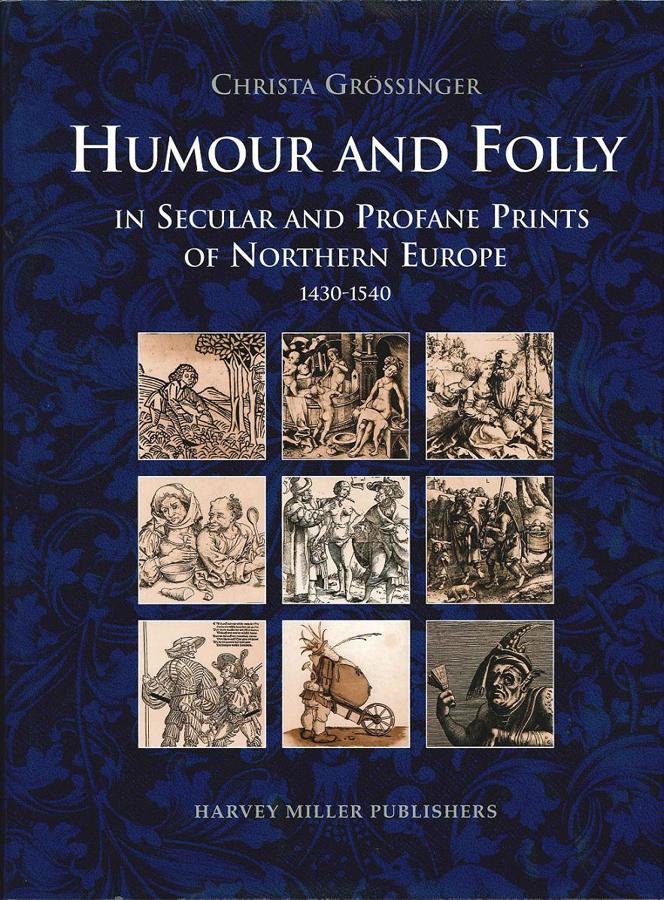
This book highlights the importance of secular and profane prints for the reconstruction and understanding of themes popular in the late Middle Ages and early Renaissance, and examines their function as patterns for other arts, and as sources for moral teaching and entertainment.
This book highlights the importance of secular and profane prints for the reconstruction and understanding of themes popular in the late Middle Ages and early Renaissance, and examines their function as patterns for the other arts, and as sources for moral teaching and entertainment. As successors to the marginal illuminations of medieval manuscripts these prints represent the 'low' arts, and as such have licence for subversion and comedy. They are lower both in medium and subject matter than paintings, concentrating on foolish and sinful behaviour, on world-upside-down situations and on base human passions, all to be discussed as a mirror of human folly and depravity. Indeed, some images cross the barriers of decency, resulting in scatological and grotesque representations. The medieval Church was much exercised by the sin of lust, and women since the Fall were seen as temptresses incarnate, represented on prints as subjugating men, deceiving them and, generally, making fools of them. Peasants, equally lecherous but stupid are depicted carousing at Peasant Festivals, rather than working. Other popular themes are of Wild People, who live in harmony with nature, and protect the procreation of human families, and outcasts, such as beggars, cripples and quacks. Prints also illustrate the historical concerns of the period, such as the Peasants' War in Germany, and the wars in Italy, represented by images of vain soldiers and death. Overall, the picture gained from secular and profane prints is one of humanity abandoning itself to the sins of the flesh and, therefore, folly; real life is in details only, to serve in the interest of a satirical, yet convincing, illustration of the world, often with a didactic aim.