
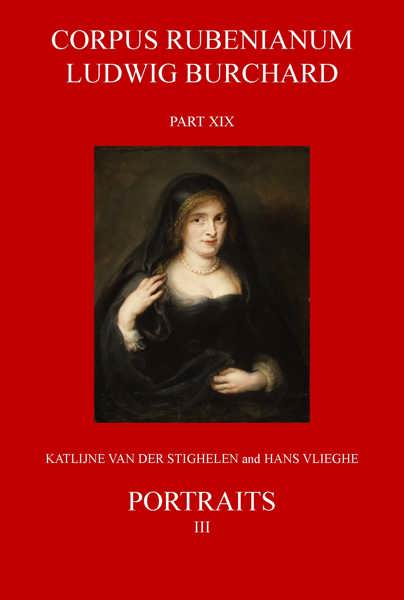
Portraits of Unidentified and Newly Identified Sitters Painted in Antwerp
View publication
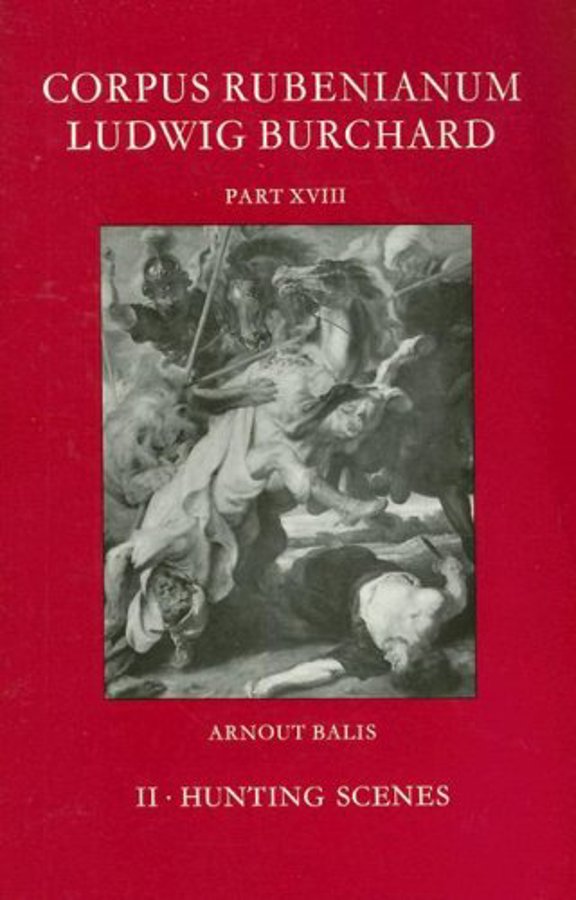
Dr. Balis explores examines in the greatest detail Ruben´s paintings and drawings of hunting scenes and thereby throws a fascinating light on the society in which the artist lived, bringing the hunting scenes together for the first time in a definitve catalogue raisonné.
Rubens may be said to have revived the genre of hunting scenes, a theme whose popularity had declined since the Middle Ages. Moreover, he enriched the courtly allusions and contemporary preoccupations. Dr. Balis explores this updating of the genre by examining in the greatest detail Ruben´s paintings and drawings of hunting scenes and thereby throws a fascinating light on the society in which the artist lived. This volume brings the hunting scenes together for the first time in a definitve catalogue raisonné that documents both the precedents for and the originality of Rubens´s development of hunting iconography, and argues that the prolific production of Flemish animal painters in the 17th century owes its very existence to Rubens´s example and his creation of a sympathetic audience. Both text and catalogue discuss the ever-important questions of what part Rubens himself played in the execution of these sometimes huge canvases, since he seems to have relied in some degree on the assistance of his studio or of specialized animal painters.