Princely Citizen
View publication
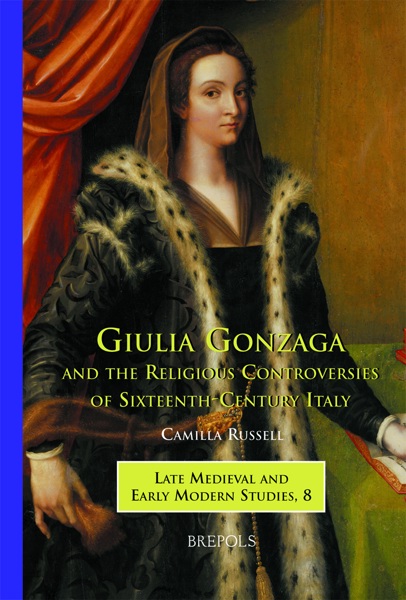
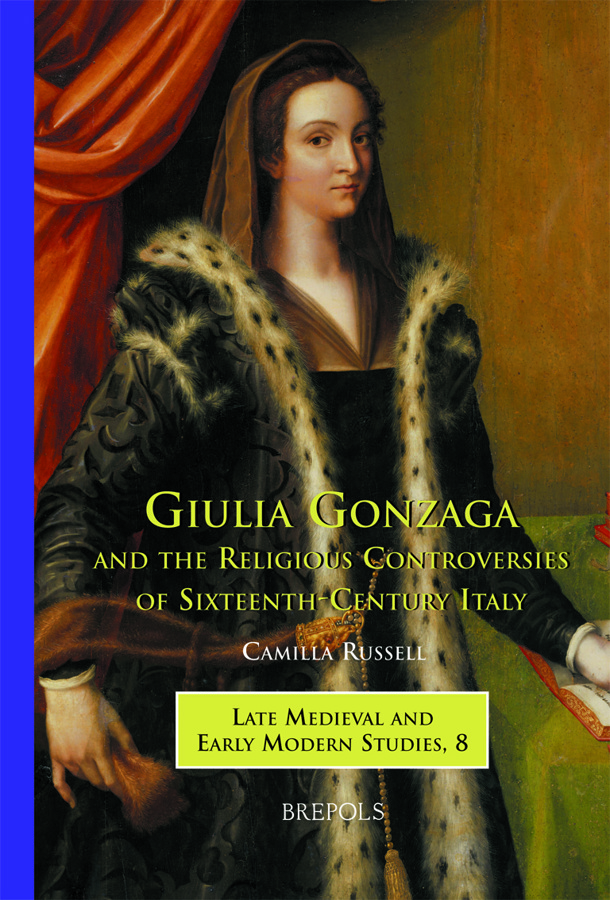
This major new study traces the evolution of Giulia Gonzaga's (1513–66) unorthodox religious ideas and networks within the high religious tensions of mid-sixteenth-century Italy.
Giulia Gonzaga (1513–66) was renowned throughout sixteenth-century Italy as a model of pious widowhood and of female beauty. Yet over three decades she sustained a risky friendship and personal correspondence with Pietro Carnesecchi (1508–67), the one-time papal favourite who became infamous for his heretical religious beliefs and associations. Indeed, Carnesecchi was condemned to death by the Tribunal of the Roman Inquisition, implicated in part by evidence of his correspondence with donna Giulia.
This major new study traces the evolution of donna Giulia’s unorthodox religious ideas and networks. Considered alongside inquisitorial trial records and contemporary religious treatises, donna Giulia’s written dialogue with Carnesecchi and others, vividly reflects the religious tensions of mid-sixteenth-century Italy.
Giulia Gonzaga and the Religious Controversies of Sixteenth-Century Italy details donna Giulia’s important contribution to the exchange and currency of reformist ideas amongst an intellectual elite of women and men, clergy and laity that extended through the Italian peninsula and beyond.