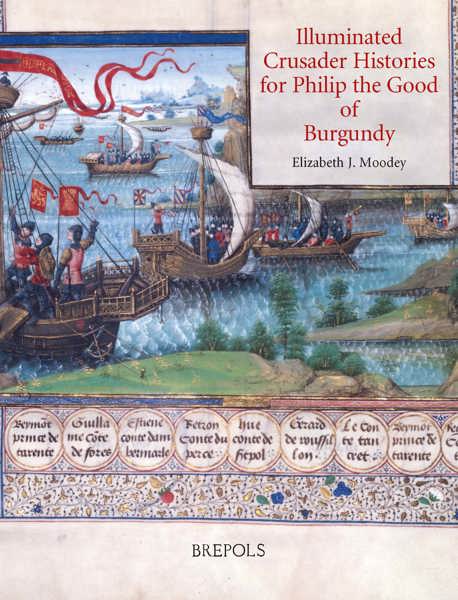
Illuminated Crusader Histories for Philip the Good of Burgundy
View publication
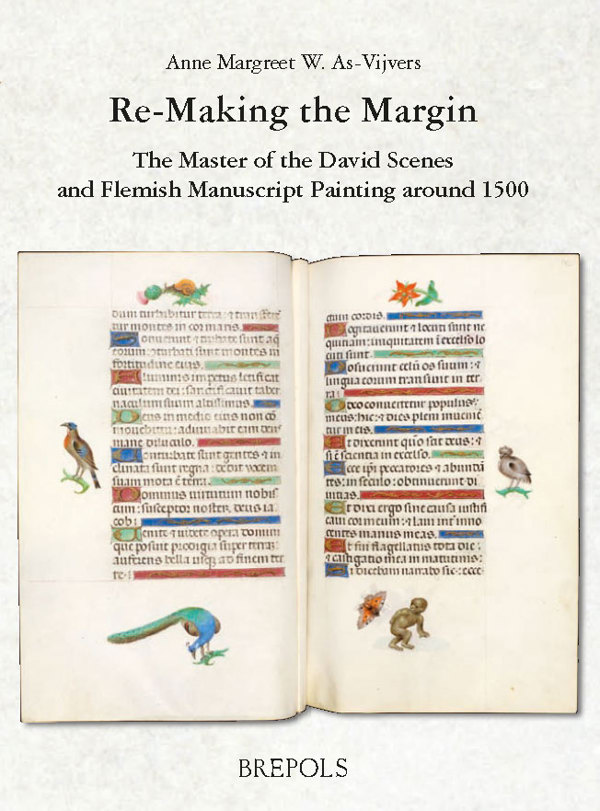
"Anne Margreet As-Vijvers Untersuchung kann schon jetzt als die wichtigste Referenzarbeit zur Werkstatt des David-Meisters bezeichnet werden." (Joris Corin Heyder, in: Journal für Kunstgeschichte, Vol. 17, 2013, Heft 4, p. 247-255)
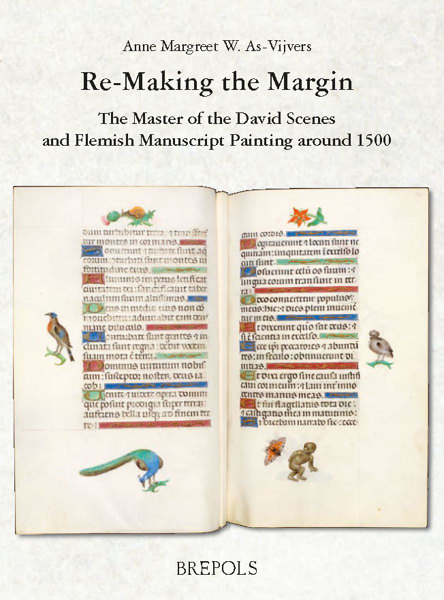
"Re-Making the Margin presents a thorough study of illumination in Bruges around 1500. It is a rich publication, both in plate material and in text. It provides interesting new insights into the technical aspects of illumination, such as the structure of workshops, production processes, model sheets and networks of illuminators. Re-Making the Margin is an indispensable resource for anyone with a professional interest in workshop practices, late-medieval illumination and painting around 1500." (Hanneke van Asperen, in: HNA Reviews)
"Deze imposante publicatie van Anne Margreet As-Vijvers, zelfstandig kunsthistorica, biedt een uitvoerig overzicht van de boekverluchting in Brugge rond 1500, met de nadruk op het aspect van margedecoraties. Het boek is een ode aan een tak van wetenschapsbeoefening die sterk onder druk staat: de boekverluchting. Het is een onmisbaar en ongelooflijk grondig naslagwerk voor onderzoekers die zich bezighouden met de Vlaamse miniatuurkunst van de vijftiende en vroeg zestiende eeuw." (Uit Juryrapport Karel van Mander Prijs 2018)