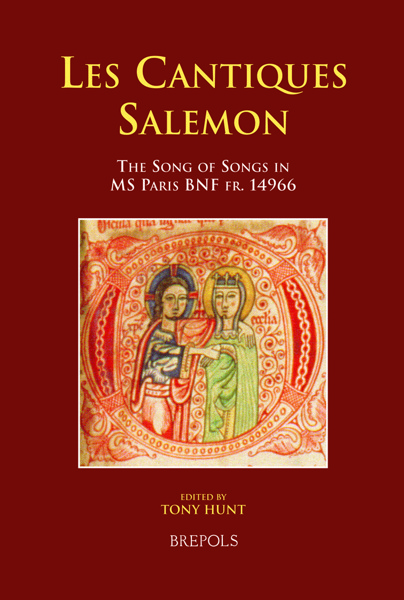
Les Cantiques Salemon
View publication
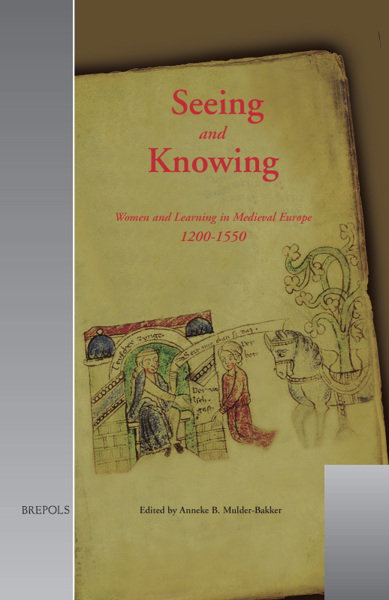
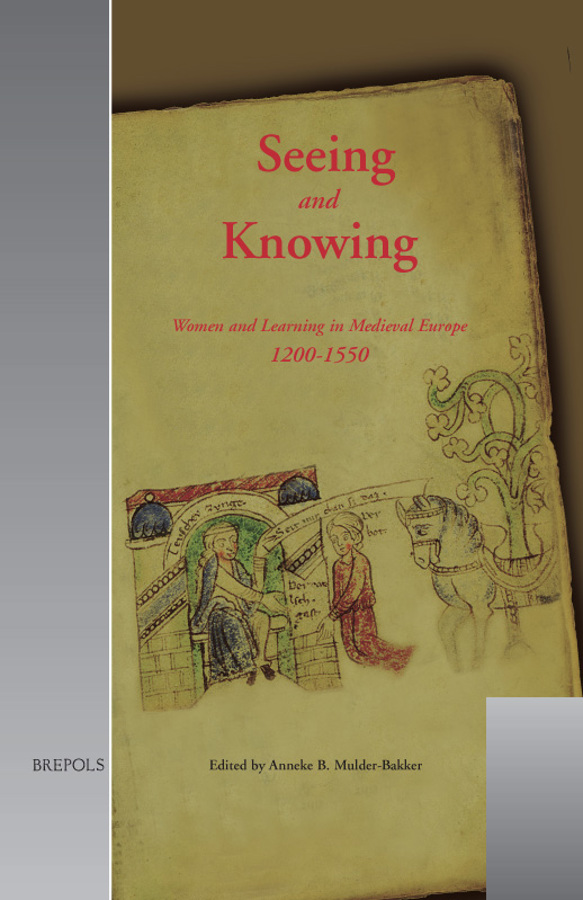
The studies within this volume examine the ways in which knowledge and learning were transmitted in medieval Europe 1200–1550 in light of gender politics in the period.
The studies within this volume apply insights gained from gender studies to re-consider the way knowledge and learning was transmitted in medieval Europe 1200–1550. Traditional scholarship has largely concentrated on the clerical and academic context of conventional learning. It tended to focus on the contents and methods of formal education, as well as on a small group of educational institutions from which women were excluded. In this volume, authors consider how learning was transmitted outside the schools, in particular within women’s communities. They raise a range of questions: how was knowledge transmitted in an oral context, what varieties of knowledge were available to communities of women? What kinds of learning are characteristic of such communities? What techniques did women develop to preserve and transmit their knowledge and how was it valorized both within their communities, and by ‘authoritative’ outsiders? Under what circumstances could women themselves gain authority in passing on knowledge to a wider audience?