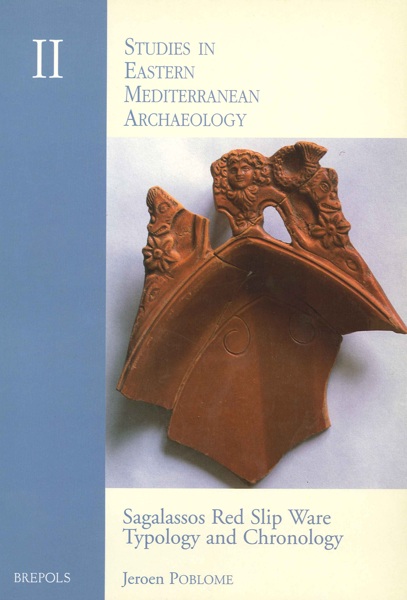
Sagalassos Red Slip Ware
View publication
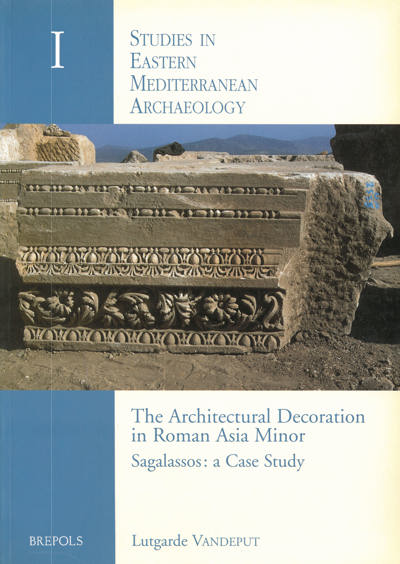
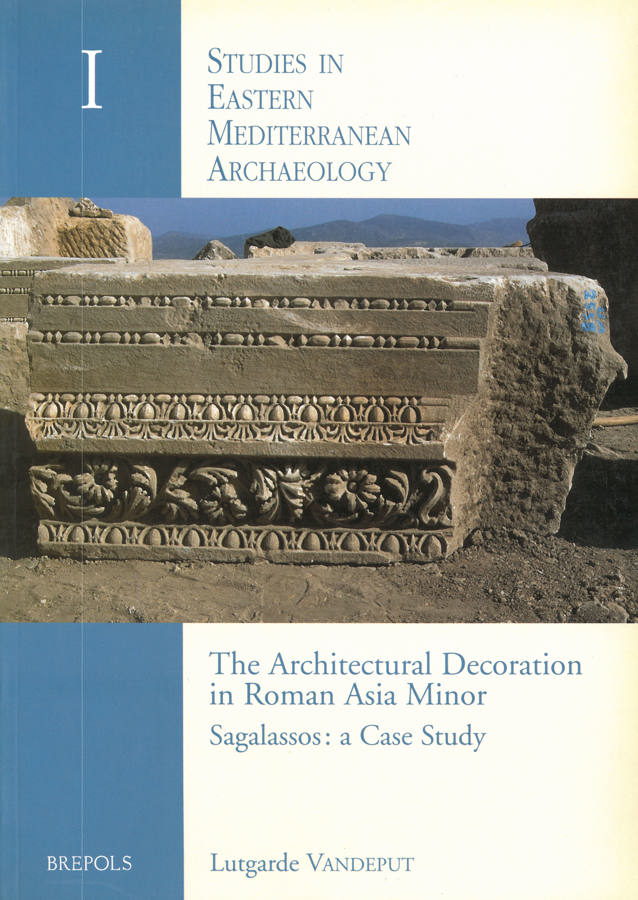
The Ancient city of Sagalassos is located in the mountains of Pisidia in South-Turkey. Because of the city's abandonment at the end of the sixth or the beginning of the seventh century AD and its rapid burial under slope deposits, the monumental constructions of the city are extremely well-preserved and therefore offer a unique opportunity for architectural study. The urban infrastructure of Sagalassos clearly dates back to the Hellenistic age, but the majority of the preserved monuments were constructed during the Roman Imperial period. Most of the ancient monuments remained basically undated. Through a detailed analysis of architectural decoration, the present study tries to remedy this shortcoming. Comparison between the architectural decoration of the Imperial monuments at Sagalassos and that in use in other cities in Asia Minor whose buildings are better dated on epigraphical grounds, has revealed similarities which clarify the chronology of the buildings at Sagalassos. Due to the extensive reference material available concerning all major ancient cities in this area, the present study can therefore serve as a manual for the study of Roman Imperial architectural decoration in Asia Minor as a whole. As a result of this study, two specific periods of intense building activity can be defined in Sagalassos. The first phase coincided with the Julio-Claudian period, when both agoras in the city were embellished with honorific monuments. Some important complexes likewise date to this period. A second and perhaps more important flourish in building activity started during Hadrian's reign and continued under the Antonine emperors and Septimus Severus. The majority of the Roman buildings at the monumental centre of Sagalassos date from this period, including important sacral and profane monuments such as the Sanctuary of Antoninus Pius.